Air Fryer Nation: The Gadget That Changed How Britain Eats
It promised crispy chips with less oil and lower bills. We look at whether the air fryer revolution is actually good for our health.
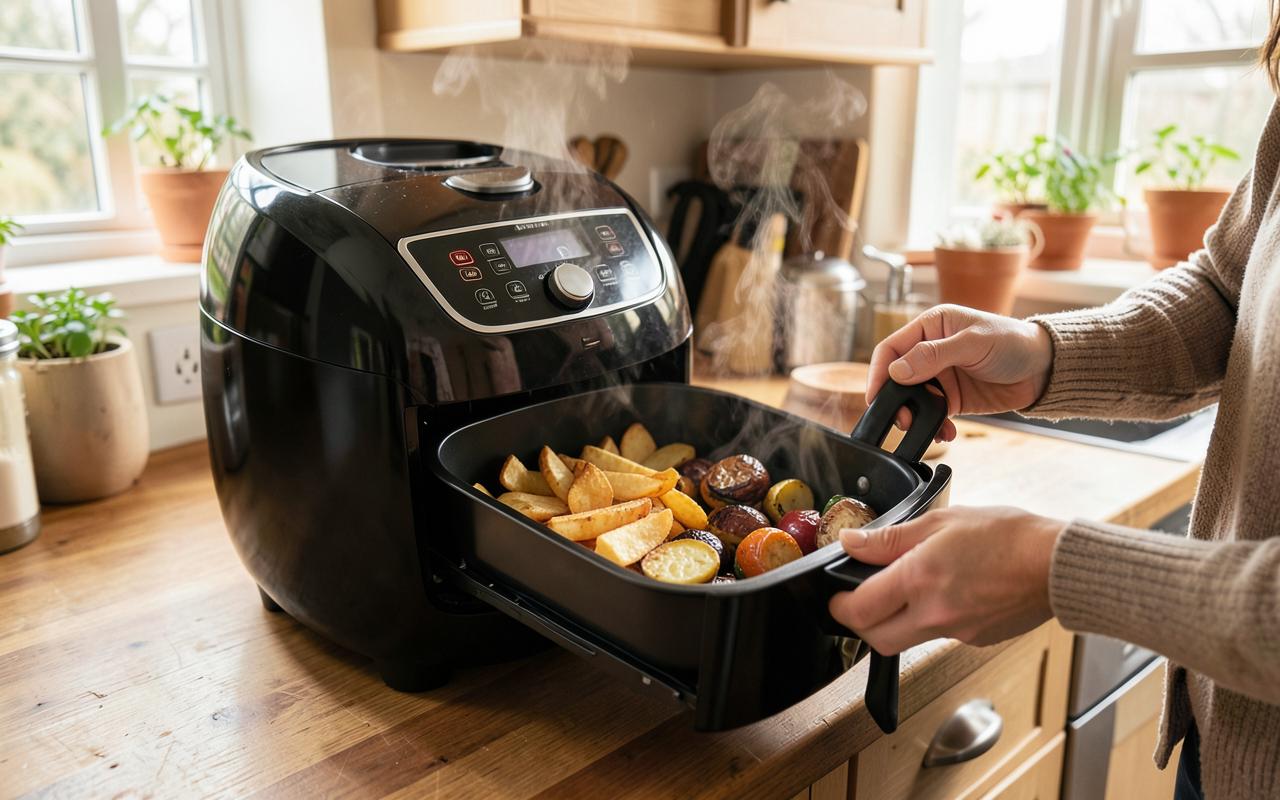
It sits on more British kitchen counters than a kettle in some households, has spawned entire cookbooks, TikTok channels and dedicated Facebook groups with hundreds of thousands of members swapping recipes for everything from Yorkshire puddings to whole roast chickens. The air fryer, quietly, has changed the way this country cooks.
Sales figures tell the story. Retailers report air fryers among their best-selling kitchen appliances for three years running, driven by a perfect storm of soaring energy bills, a hunger for convenience, and the promise of crispy, chip-shop-style food with a fraction of the oil of deep frying.
"It's genuinely rare to see a single gadget shift population-level eating habits this fast," says food scientist Dr Callum Vance, who researches home cooking trends at a fictional food behaviour unit. "The microwave did it in the eighties. The air fryer might be doing it again now."
The health case for the air fryer is fairly straightforward on paper. Traditional deep frying can require your chips to be submerged in oil, absorbing a significant amount of fat in the process. Air frying, essentially a small, powerful convection oven, uses rapidly circulating hot air and a light coating of oil, sometimes as little as a teaspoon, to achieve a similarly crisp result.
"Comparing a portion of air-fried chips to deep-fried chip-shop chips, you're typically looking at a substantial reduction in fat and calories, sometimes as much as 70 to 80 per cent less oil," explains registered dietitian Nadia Fairclough-Ryan, who works with a fictional community health trust in Newcastle. "That's a genuinely meaningful difference if chips are a regular part of your week."
Case study Denise Okafor-Wills, 51, a care worker from Sunderland and mother of three, credits her air fryer with helping her family eat more vegetables, almost by accident. "My kids used to turn their nose up at roasted vegetables from the oven because they took ages and never went properly crispy," she says. "In the air fryer, sprouts and cauliflower come out crunchy in fifteen minutes. My youngest actually asks for broccoli now, which still shocks me."
Denise says the appliance has also nudged her family away from some of their more processed convenience meals. "Before, easy meant a bag of oven chips and a fish finger. Now easy means chopping up a sweet potato, tossing it in a tiny bit of oil and some paprika, and it's ready in twenty minutes. It hasn't felt like extra effort at all."
More from Nutrition
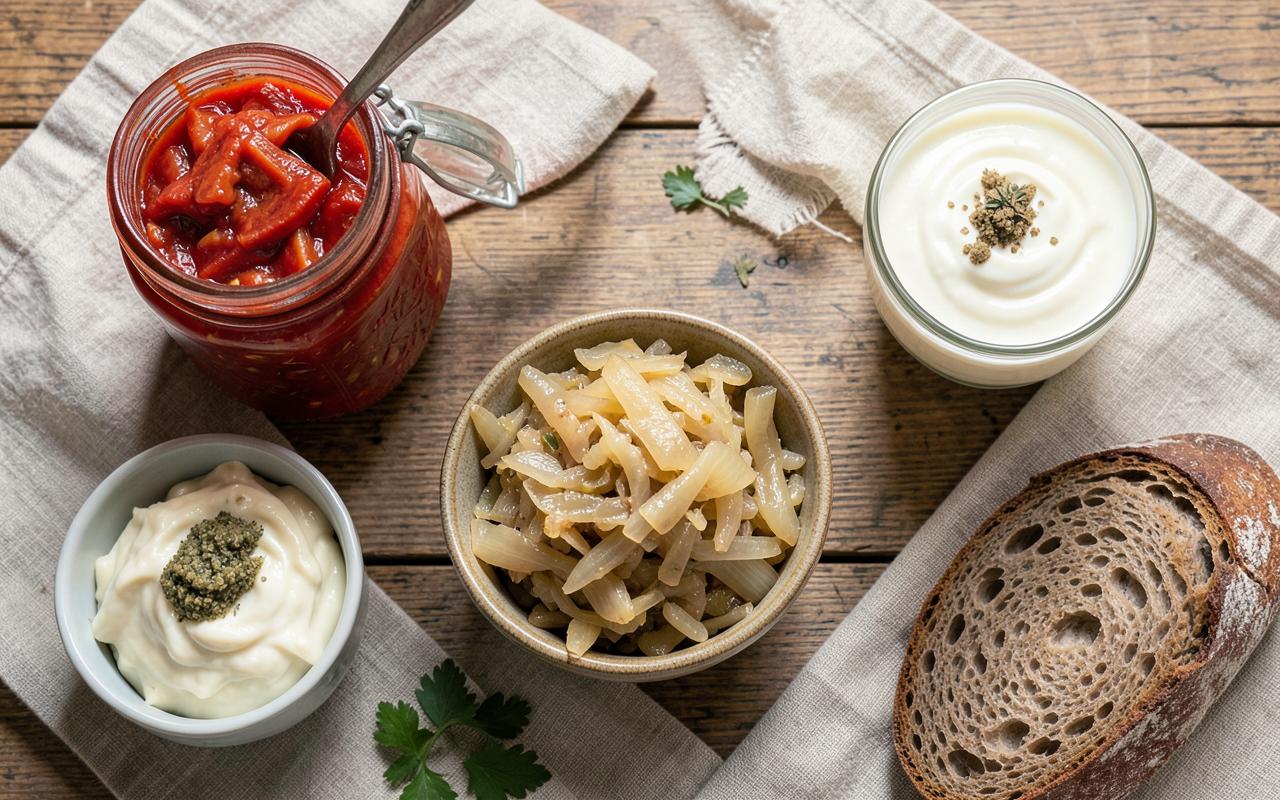
Kimchi, Kefir and Kraut: Is Gut Health the Real Deal?
Fermented foods have gone from niche health shop items to supermarket staples. We ask whether the gut health hype is backed by science.
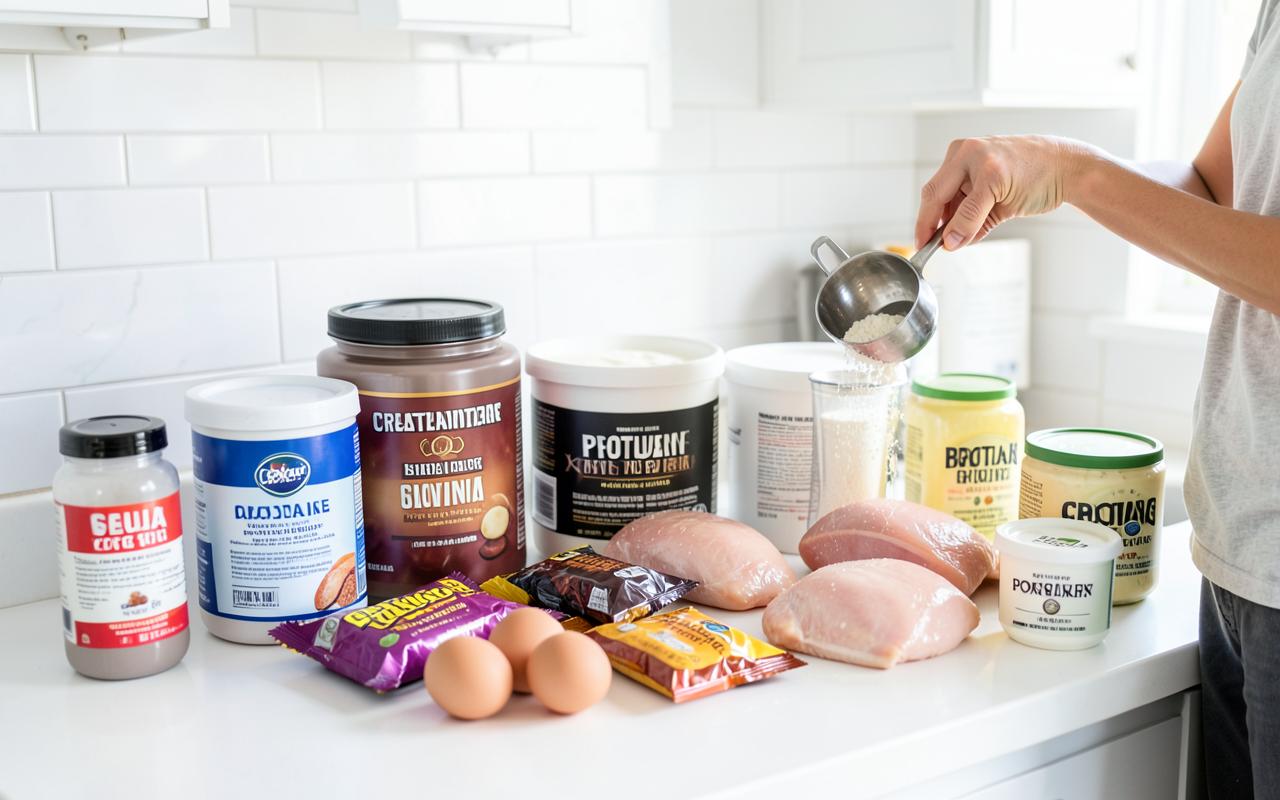
Protein Mania: Are We Overdoing It?
From protein water to protein crisps, Britain has gone macro-mad. But do most of us actually need all this extra protein?
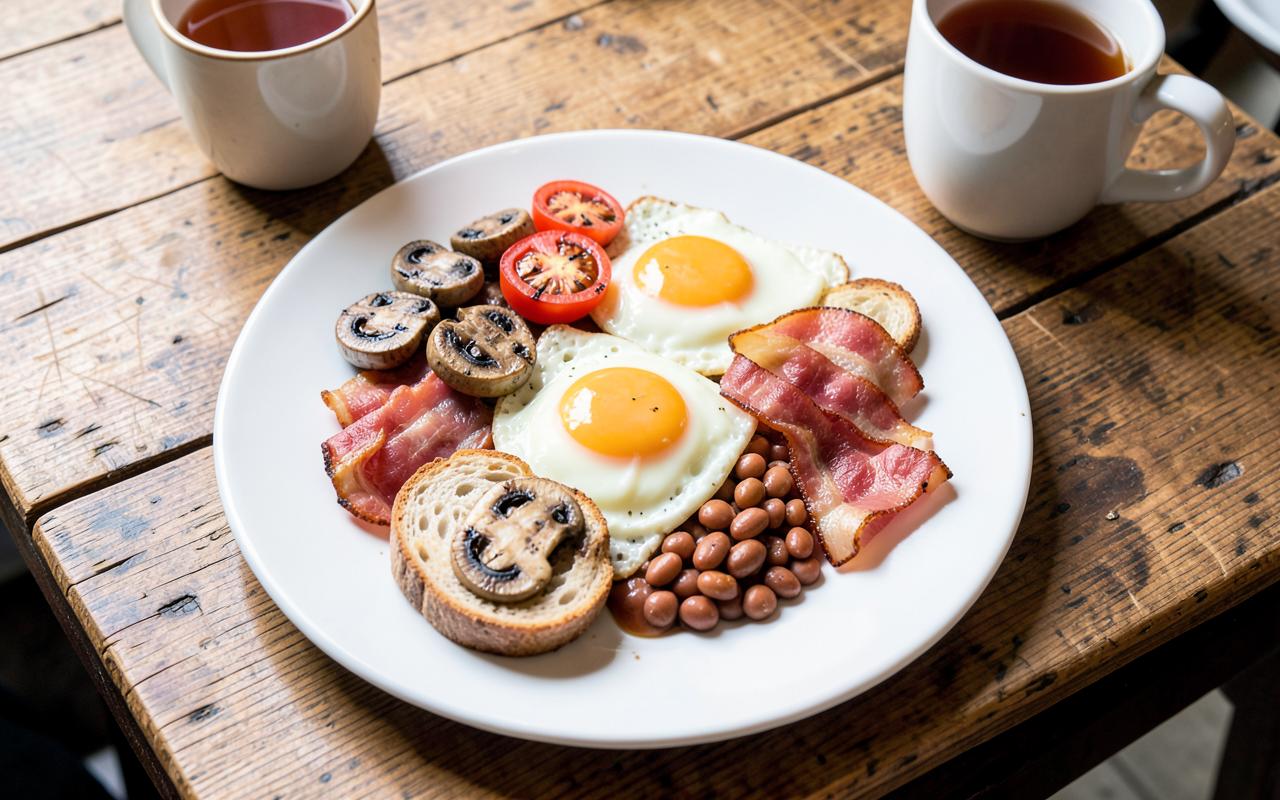
Can a Full English Ever Be Healthy? We Asked the Experts
Sausage, bacon, eggs, beans and a fried slice: Britain's favourite fry-up gets the nutritional once-over.
Elsewhere on Iciclraddo

Desk Bound and Doubled Over: Britain's Back Pain Epidemic
Home working has quietly wrecked the nation's spines. Physiotherapists explain why, and share the simple daily habits that can turn things around.

Bath on a Budget: How to Do the Georgian Gem for Under £150
Roman baths, honey-coloured crescents and Jane Austen tea rooms don't have to cost a fortune. Here's a full weekend in Bath for under £150 a head.

Back in the Box Room: Britain's Boomerang Generation Speaks Out
Sky-high rents and stalled wages mean more adults than ever are moving back in with mum and dad. We meet the families making it work, and the ones struggling.

How to Actually Get a GP Appointment: The Insider Tricks That Work
Sick of endless hold music and fully booked surgeries? A GP and a practice manager reveal the tactics that really speed up access to care.