Back in the Box Room: Britain's Boomerang Generation Speaks Out
Sky-high rents and stalled wages mean more adults than ever are moving back in with mum and dad. We meet the families making it work, and the ones struggling.
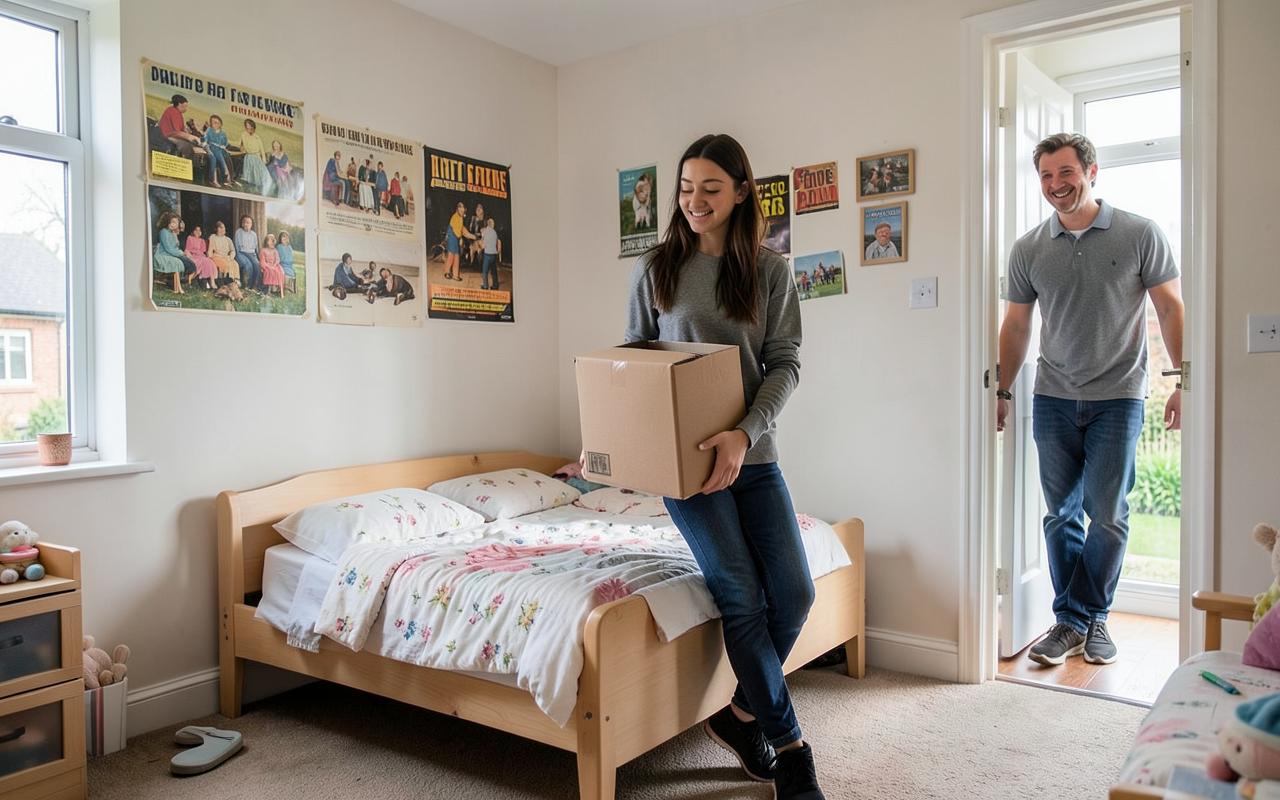
At 29, Jamie moved back into his childhood bedroom in Southampton, single bed, faded football posters and all, after his rent was hiked beyond what his salary could stretch to. "I remember lying there that first night thinking, I'm nearly thirty and I'm staring at the same glow-in-the-dark stars I stuck up when I was twelve. It was humbling, to put it politely."
Jamie is one of a rapidly growing number of adults in their twenties and thirties, dubbed the "boomerang generation", returning to live with parents after years of independence. Recent housing data suggests nearly a third of adults aged 20 to 34 in parts of the UK now live with parents, driven by soaring rents, high deposits and stagnant wages that simply haven't kept pace with the cost of living.
For many families, the return is amicable, even welcome. "I loved having her back, if I'm honest," says Denise, 56, from Southampton, whose daughter Amy moved home after a relationship breakdown. "The house had felt so quiet since she left. Suddenly there was noise and mess again, and I didn't mind one bit."
But for others, the arrangement strains relationships that had settled comfortably into a new, adult-to-adult rhythm. "We'd got used to being a couple again after the kids left," admits Trevor, 61, from Doncaster, whose 31-year-old son moved back in eighteen months ago. "Now it's like having a lodger who doesn't pay rent and eats all the bacon. I love him, but it's been an adjustment, to put it mildly."
Family psychologist Dr Yasmin Farooqi says the boomerang generation phenomenon creates a specific kind of tension because it collapses two very different relationship models into one household. "Parents have to shift between treating their adult child as an equal housemate and slipping back into old parenting habits, nagging about mess, asking where they're going. Both sides usually fall back into old roles without meaning to, and that's where the friction starts."
Financially, the arrangement is often a genuine lifeline. Jamie says living at home for two years allowed him to save enough for a deposit that would otherwise have taken him a decade. "I'm not proud, exactly, but I'm not embarrassed either any more. Half my mates are doing the same thing. It's just the economic reality now."
Economist Priya Chandaria, who studies housing affordability, agrees that stigma around the boomerang generation is increasingly outdated. "A generation ago, moving back in with parents in your late twenties might have signalled failure. Today it's often the single most sensible financial decision available, given how disconnected wages have become from housing costs in most British cities."
More from Relationships & Family
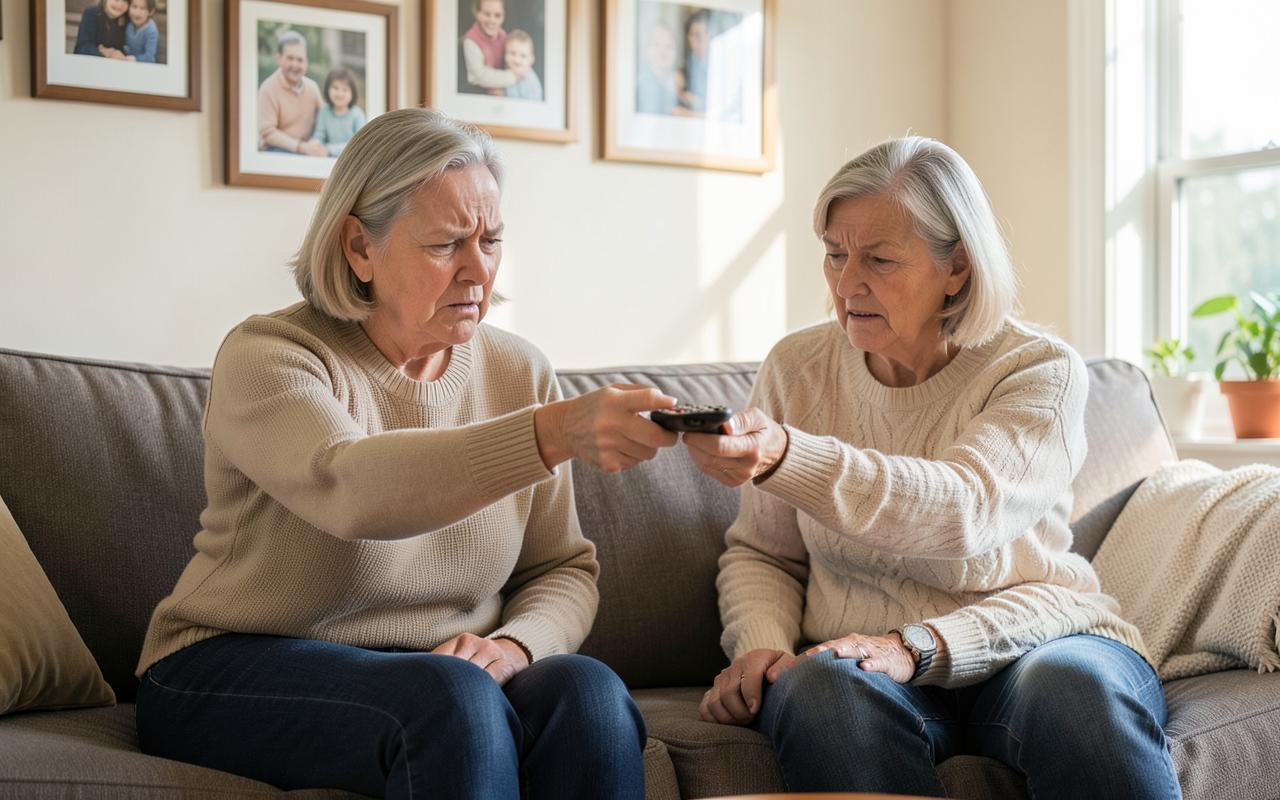
Still Fighting Over the Remote at 40: The Truth About Adult Sibling Rivalry
Childhood squabbles are supposed to fade with age. For many British siblings, old rivalries are alive, well, and wrecking family gatherings.

Swipe Right at 60: The Over-50s Rewriting the Rules of Romance
Dating apps aren't just for the young any more. We meet the over-50s finding new love, and sometimes disaster, in the world of online dating.

We Banned Phones at Dinner for a Month — Here's What Happened
One family's attempt to reclaim the dinner table from screens turned into a month of arguments, revelations and, eventually, real conversation.
Elsewhere on Iciclraddo

Kimchi, Kefir and Kraut: Is Gut Health the Real Deal?
Fermented foods have gone from niche health shop items to supermarket staples. We ask whether the gut health hype is backed by science.

Desk Bound and Doubled Over: Britain's Back Pain Epidemic
Home working has quietly wrecked the nation's spines. Physiotherapists explain why, and share the simple daily habits that can turn things around.
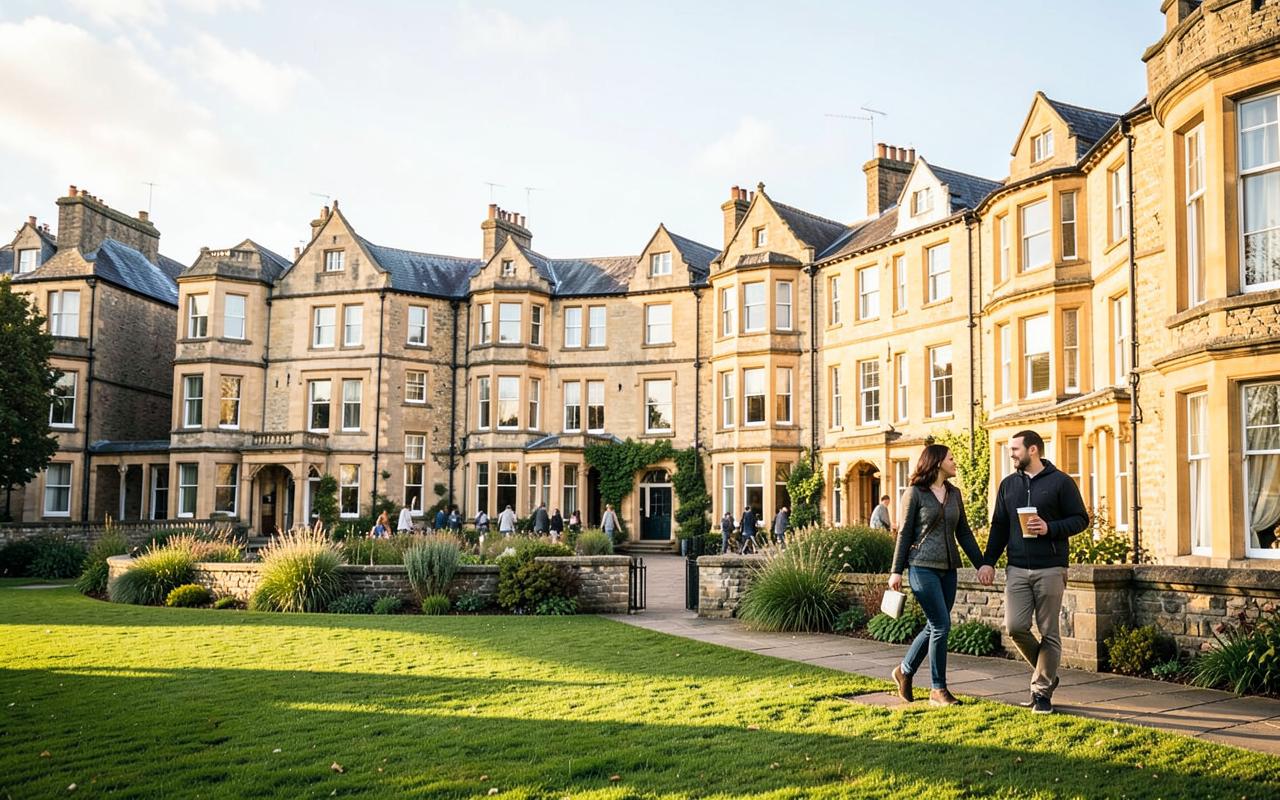
Bath on a Budget: How to Do the Georgian Gem for Under £150
Roman baths, honey-coloured crescents and Jane Austen tea rooms don't have to cost a fortune. Here's a full weekend in Bath for under £150 a head.
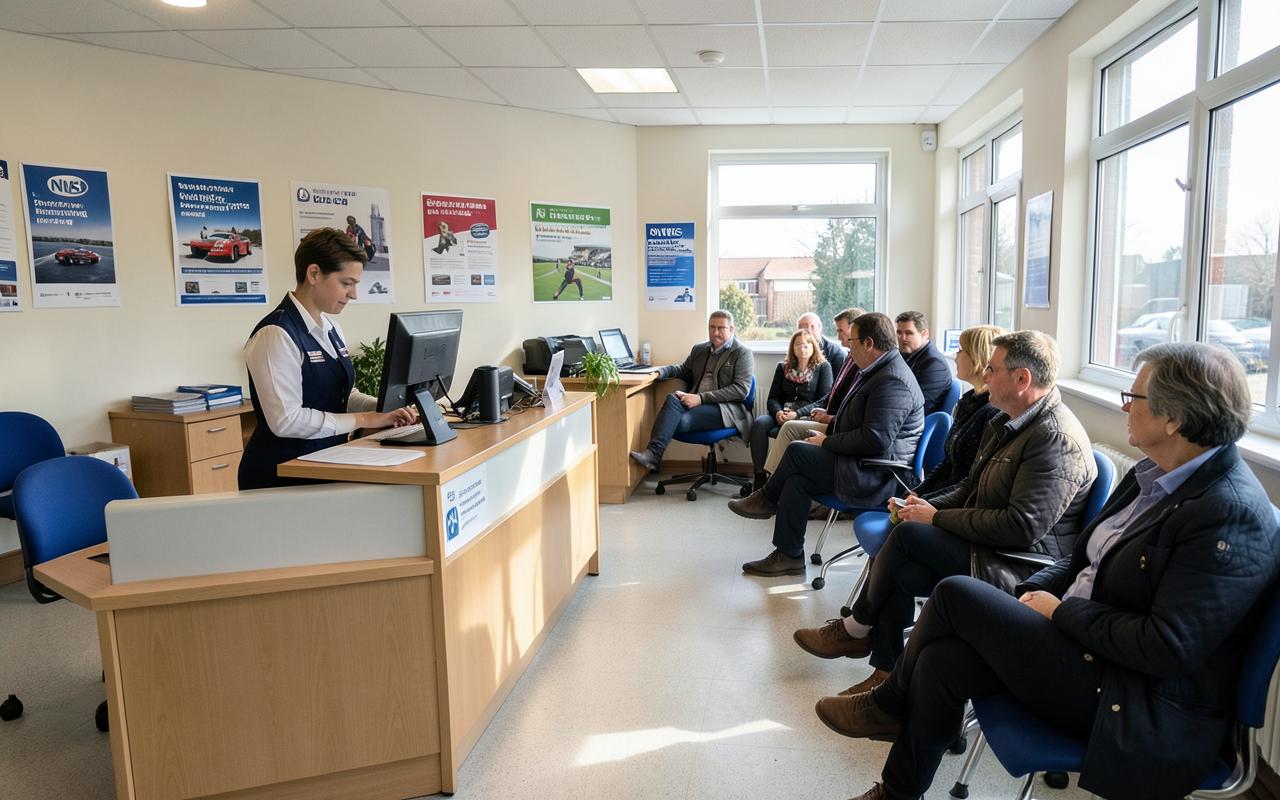
How to Actually Get a GP Appointment: The Insider Tricks That Work
Sick of endless hold music and fully booked surgeries? A GP and a practice manager reveal the tactics that really speed up access to care.