Brrr-illiant or Bonkers? The Truth About Britain's Cold Water Swimming Craze
Millions of Britons are plunging into freezing seas and lakes in search of a mood boost. We ask the experts whether it's a wellness miracle or an accident waiting to happen.
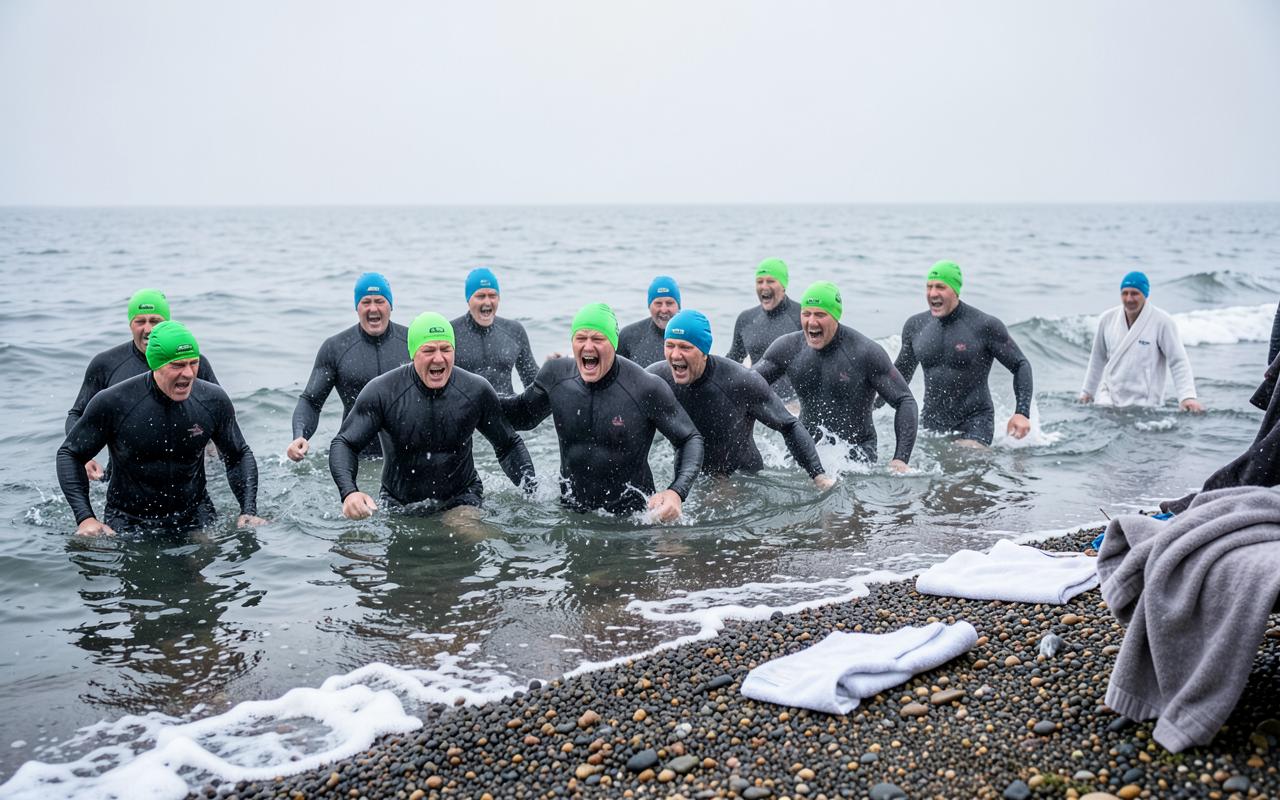
It's 6am on a freezing Tuesday in Skegness, and Dave Pinkerton, 44, a delivery driver from Stoke, is wading into the North Sea wearing nothing but a pair of budgie smugglers and a woolly hat.
"The first thirty seconds feel like being stabbed by a thousand tiny icicles," he laughs, teeth chattering. "But by the time I get out, I feel like I've been reborn. Honestly, better than any coffee."
Dave is one of an estimated two million Britons who have taken up cold water swimming since the pandemic, according to figures cited by outdoor swimming groups up and down the country. What was once the preserve of hardy Christmas Day Channel dippers has become a full-blown national obsession.
Social media is awash with videos of ordinary people plunging into lakes, rivers and the sea, insisting it cures everything from anxiety to arthritis. But is there any truth behind the hype, or is Britain simply queuing up to catch hypothermia for likes?
"There's genuine science here, but it's not magic," says Dr Fiona Aldous, a sports and exercise medicine consultant based in Leeds. "Cold water exposure triggers a stress response in the body. In small, controlled doses, that can be beneficial. Done recklessly, it can be dangerous, even fatal."
Dr Aldous explains that when you plunge into cold water, your body releases a surge of adrenaline and noradrenaline, along with endorphins. This is often described as the source of the famous 'cold water high' swimmers report.
"Regular, sensible cold exposure appears to improve mood and may help reduce symptoms of mild depression and anxiety for some people," she says. "There's also emerging evidence it can improve insulin sensitivity and circulation over time."
But the risks are real. Cold water shock can cause an involuntary gasp reflex, a rapid increase in heart rate and blood pressure, and in vulnerable people, this combination can trigger a cardiac event within the first minute of immersion.
More from Health

Desk Bound and Doubled Over: Britain's Back Pain Epidemic
Home working has quietly wrecked the nation's spines. Physiotherapists explain why, and share the simple daily habits that can turn things around.

How to Actually Get a GP Appointment: The Insider Tricks That Work
Sick of endless hold music and fully booked surgeries? A GP and a practice manager reveal the tactics that really speed up access to care.
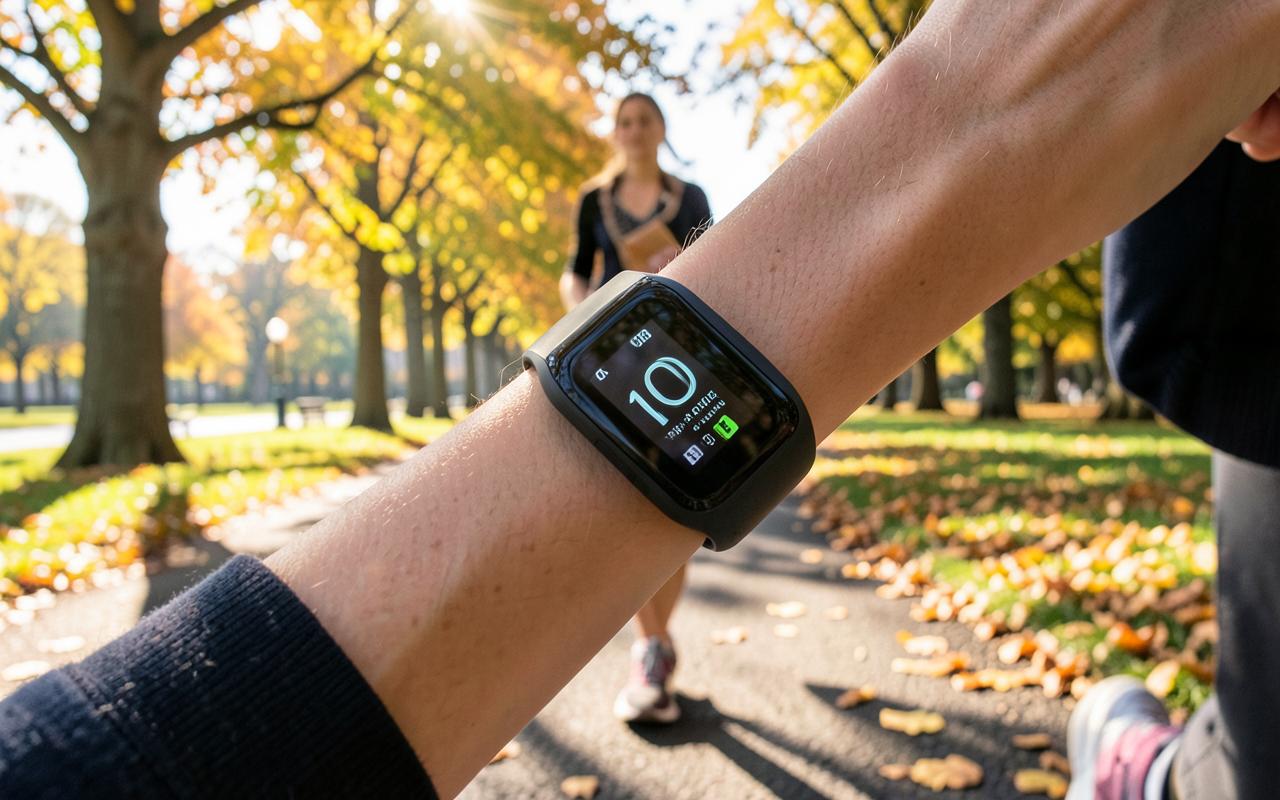
10,000 Steps? The Number Your Fitness Tracker Doesn't Want You to Know
The famous daily step target began life as a 1960s advertising slogan, not science. We reveal what research actually says you should be aiming for.
Elsewhere on Iciclraddo

Kimchi, Kefir and Kraut: Is Gut Health the Real Deal?
Fermented foods have gone from niche health shop items to supermarket staples. We ask whether the gut health hype is backed by science.

Bath on a Budget: How to Do the Georgian Gem for Under £150
Roman baths, honey-coloured crescents and Jane Austen tea rooms don't have to cost a fortune. Here's a full weekend in Bath for under £150 a head.
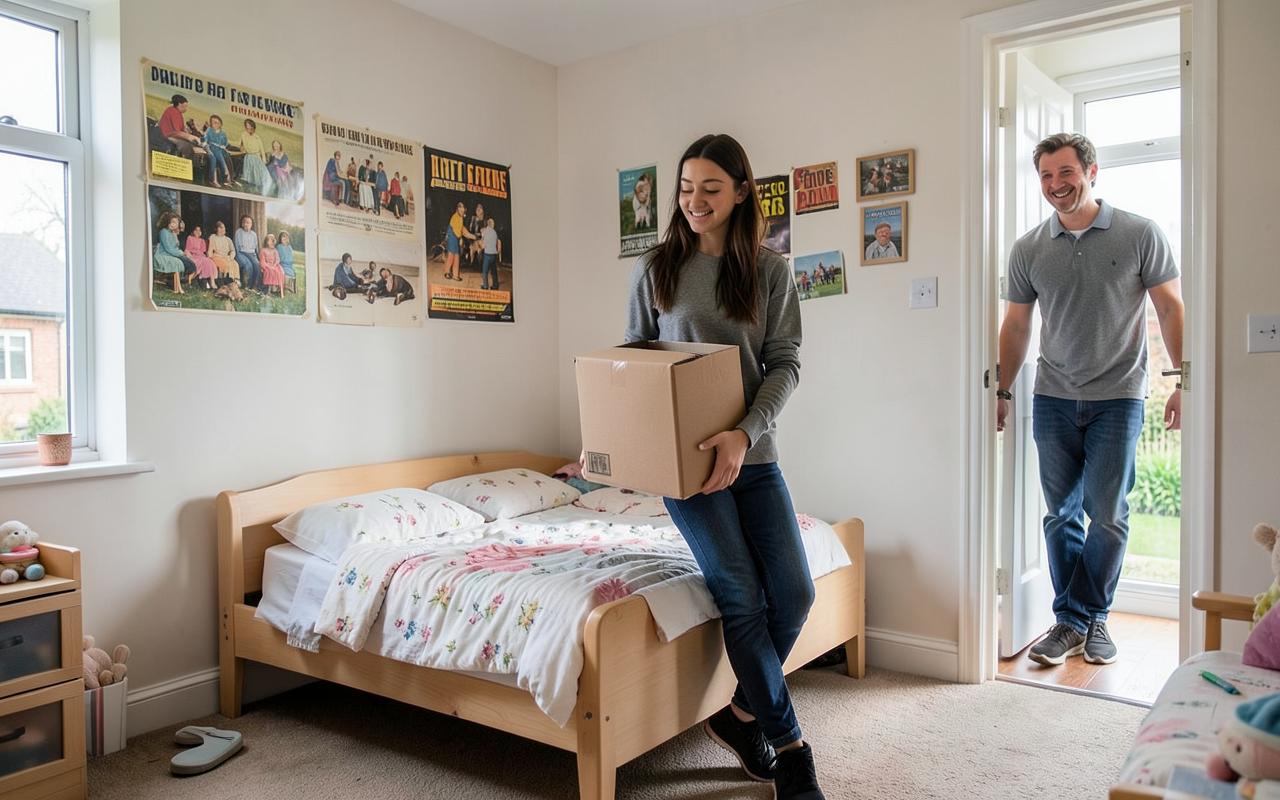
Back in the Box Room: Britain's Boomerang Generation Speaks Out
Sky-high rents and stalled wages mean more adults than ever are moving back in with mum and dad. We meet the families making it work, and the ones struggling.
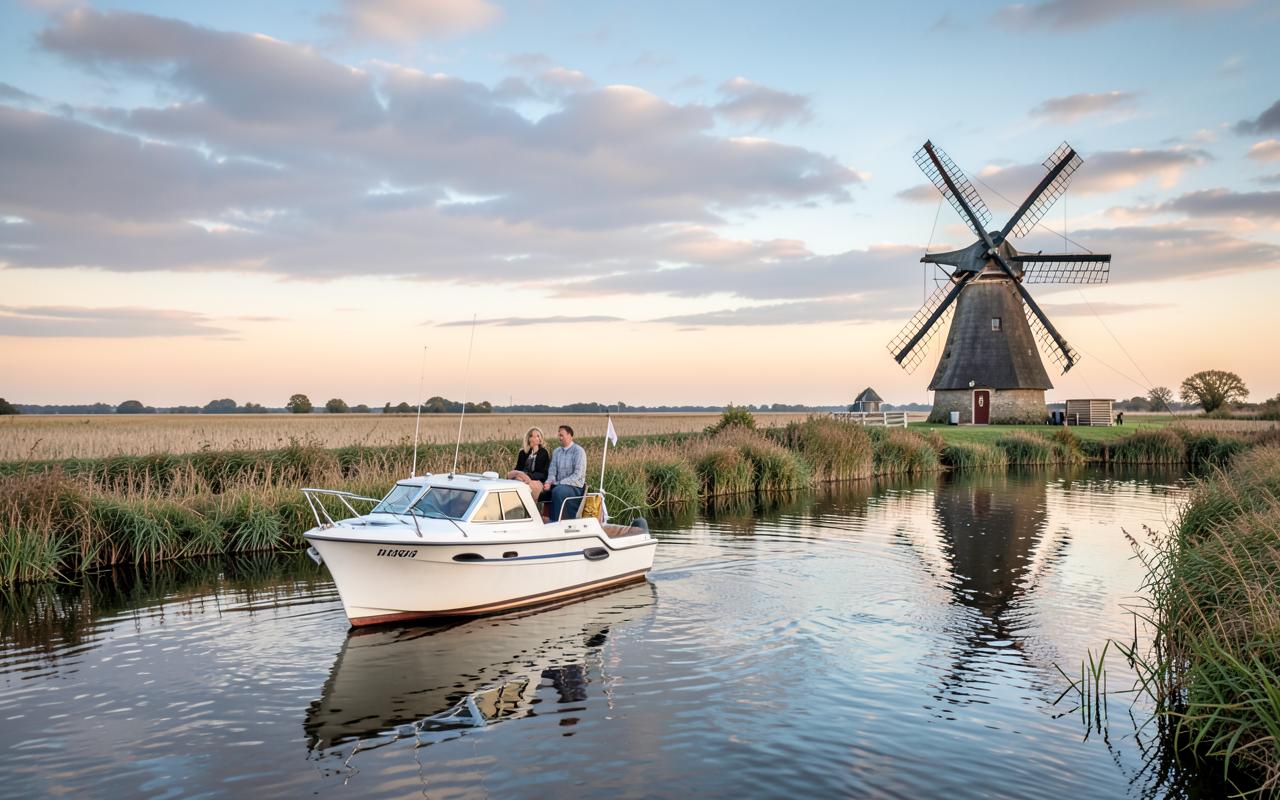
Slow Boat to Nowhere: A Weekend Afloat on the Norfolk Broads
No licence, no rush, no signal — just reed beds, windmills and the occasional heron. Here's how to hire a boat and actually switch off.