The Granny Army: Meet the Grandparents Holding Britain's Families Together
With nursery fees soaring, thousands of grandparents are becoming unpaid full-time carers. We meet the women propping up the childcare system.
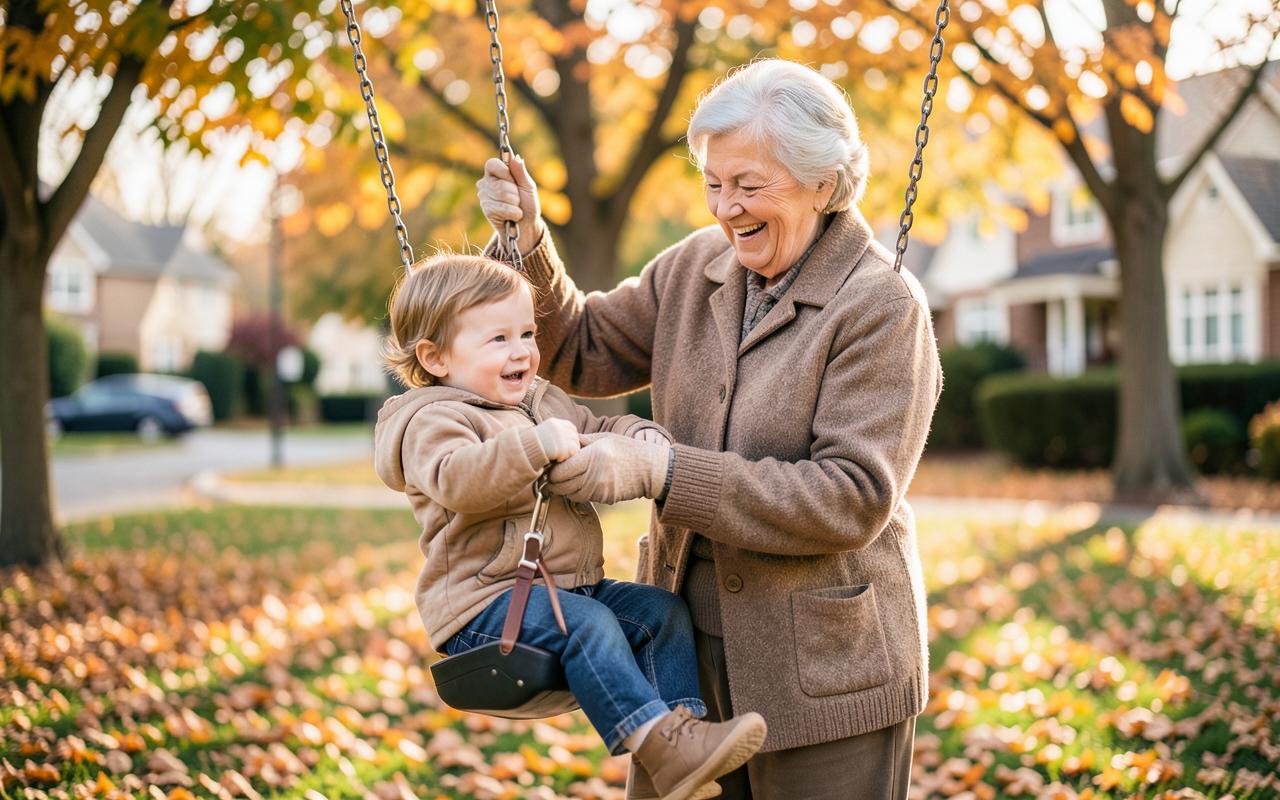
Every weekday morning at 7.15am, Sharon, 58, from Wigan, pulls up outside her daughter's terraced house, lets herself in with her own key, and starts making porridge for her two grandchildren before either parent has even left for work.
"I love it, don't get me wrong," she says, wiping jam off the kitchen table. "But some days I'm that tired I could cry. I did my thirty years of nappies and sleepless nights. I never thought I'd be doing it all again at nearly sixty."
Sharon is one of an estimated 1.7 million grandparents across the UK now providing regular, often full-time, childcare so their adult children can keep working. With nursery fees in some parts of the country topping £1,600 a month for a single child, many families say grandparents are the only thing standing between them and giving up work entirely.
"It's not a nice-to-have any more, it's a lifeline," says Marion, 63, from Preston, who looks after her three grandchildren four days a week. "My daughter says to me, 'Mum, if it wasn't for you I'd have to quit my job.' That's a lot of pressure to carry, if I'm honest."
Dr Priya Nathwani, a family psychologist who runs a research group on intergenerational caregiving at a Midlands university, says she has seen a sharp rise in grandparents seeking support for burnout. "We're calling it the Granny Army, but behind the jokey nickname is a genuine public health issue," she explains. "These women — and it usually is women — are often still working themselves, or nursing their own health problems, yet they feel they can't say no."
The financial squeeze is only part of the story. Family therapist Colin Ashworth, who practises in Manchester, believes the rise of the granny army reflects a deeper shift in how families organise themselves. "Two generations ago, it was assumed grandparents would help out a bit. Now it's assumed they'll be there five days a week, on call for sick days, school pickups, the lot. Nobody ever formally asked for that arrangement — it just crept up on families."
For some, the arrangement works beautifully. Pauline, 61, from Cardiff, says caring for her granddaughter twice a week has been the highlight of her retirement. "I get to watch her grow up close up, not just at Christmas. I wouldn't swap it for anything," she says. "My friends who don't see their grandkids much are the ones who seem lonelier to me."
More from Relationships & Family
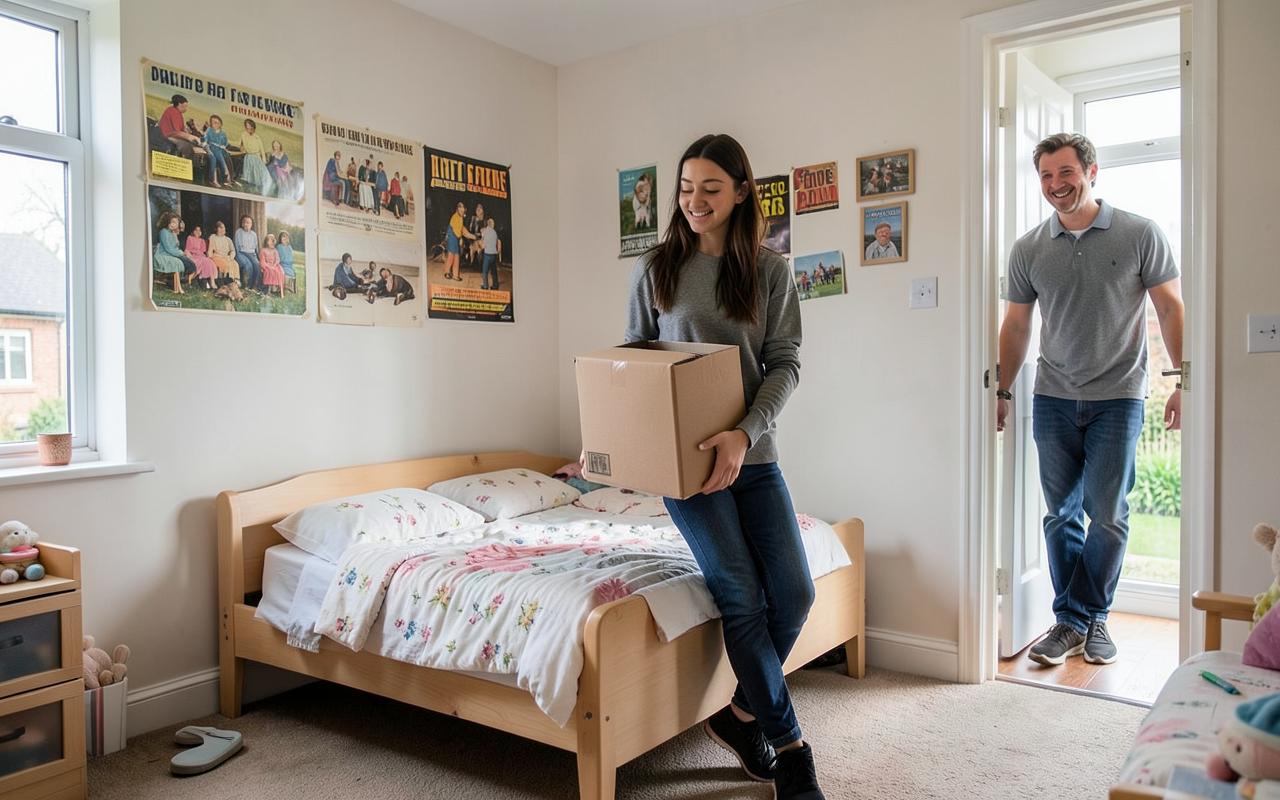
Back in the Box Room: Britain's Boomerang Generation Speaks Out
Sky-high rents and stalled wages mean more adults than ever are moving back in with mum and dad. We meet the families making it work, and the ones struggling.
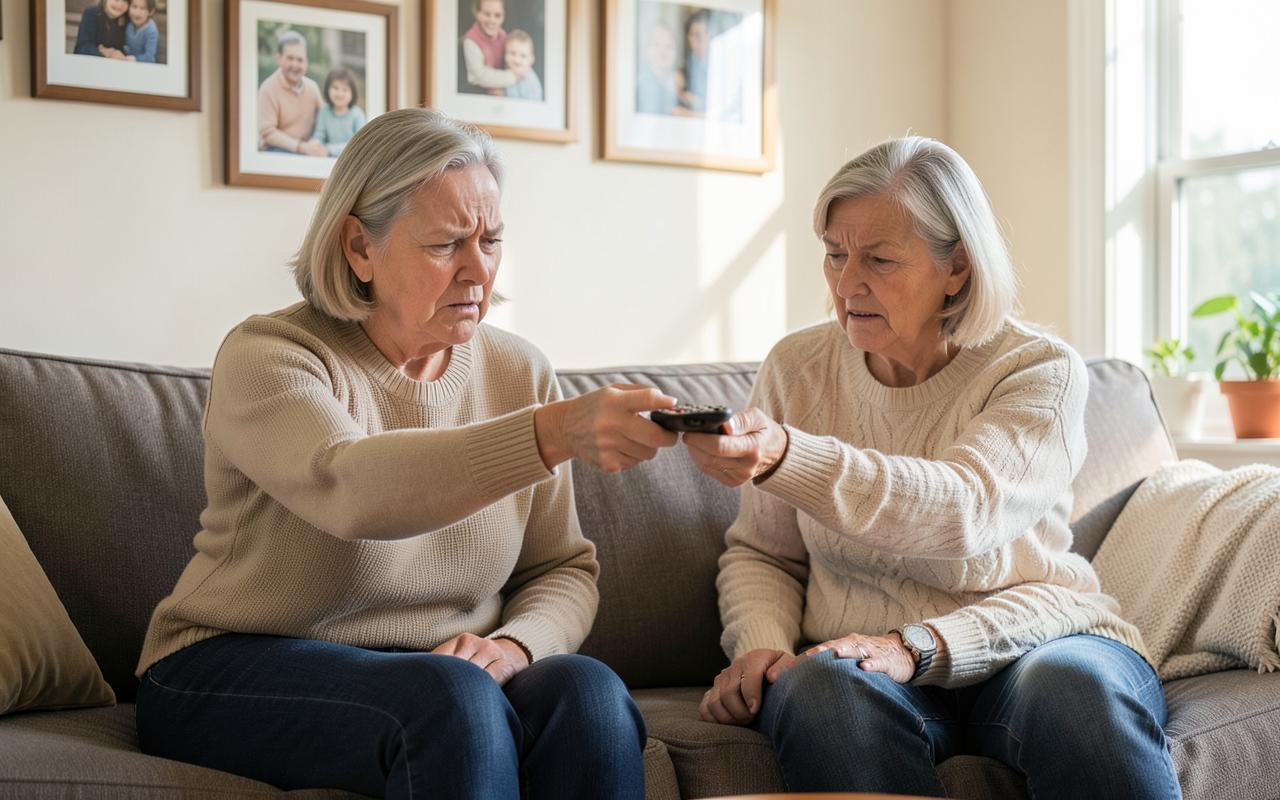
Still Fighting Over the Remote at 40: The Truth About Adult Sibling Rivalry
Childhood squabbles are supposed to fade with age. For many British siblings, old rivalries are alive, well, and wrecking family gatherings.

Swipe Right at 60: The Over-50s Rewriting the Rules of Romance
Dating apps aren't just for the young any more. We meet the over-50s finding new love, and sometimes disaster, in the world of online dating.
Elsewhere on Iciclraddo
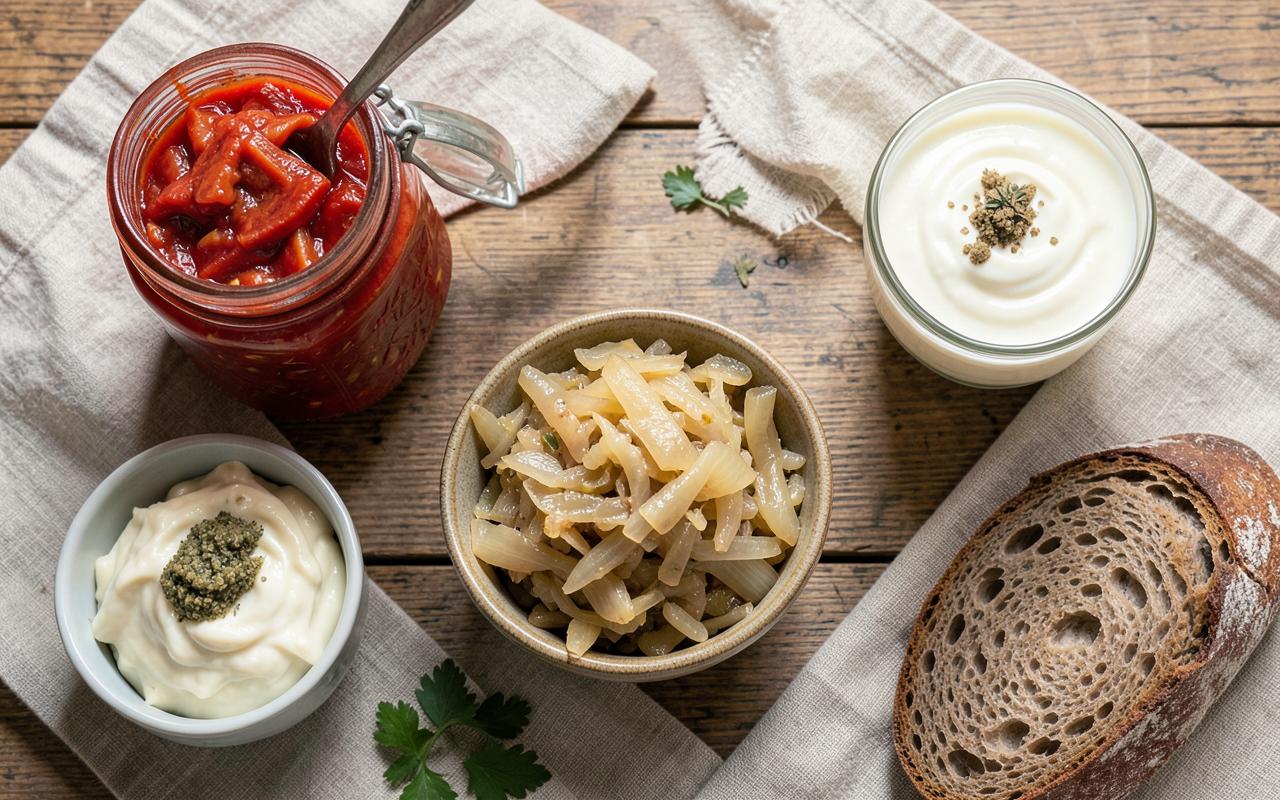
Kimchi, Kefir and Kraut: Is Gut Health the Real Deal?
Fermented foods have gone from niche health shop items to supermarket staples. We ask whether the gut health hype is backed by science.

Desk Bound and Doubled Over: Britain's Back Pain Epidemic
Home working has quietly wrecked the nation's spines. Physiotherapists explain why, and share the simple daily habits that can turn things around.

Bath on a Budget: How to Do the Georgian Gem for Under £150
Roman baths, honey-coloured crescents and Jane Austen tea rooms don't have to cost a fortune. Here's a full weekend in Bath for under £150 a head.

How to Actually Get a GP Appointment: The Insider Tricks That Work
Sick of endless hold music and fully booked surgeries? A GP and a practice manager reveal the tactics that really speed up access to care.