Can a Full English Ever Be Healthy? We Asked the Experts
Sausage, bacon, eggs, beans and a fried slice: Britain's favourite fry-up gets the nutritional once-over.
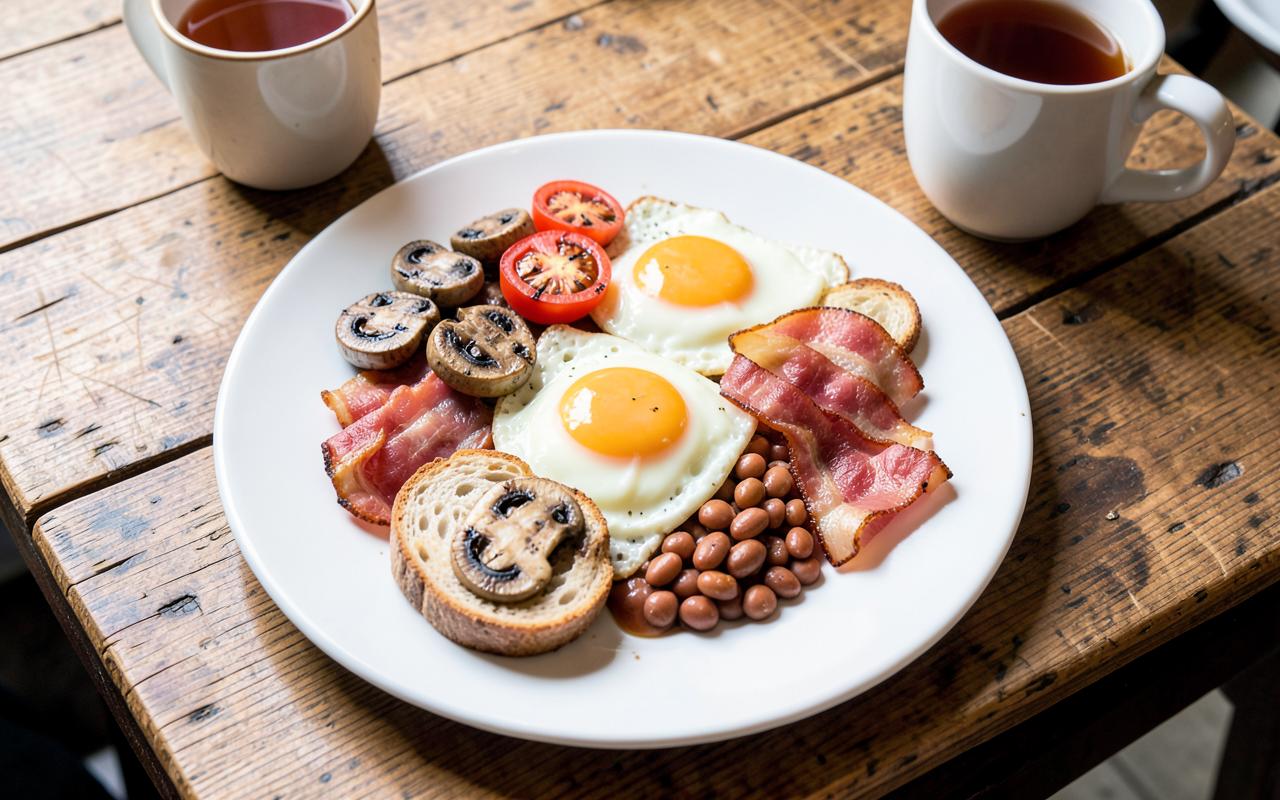
There are few things more sacred in British food culture than the full English. Greasy spoon or seaside caravan, hangover cure or Sunday ritual, the fry-up occupies a strange place in our national psyche: adored by everyone, defended fiercely, and yet quietly dreaded by anyone trying to eat a bit healthier.
So we put the question to a panel of nutrition professionals: can this beloved plate of sausage, bacon, eggs, beans, tomatoes, mushrooms and toast ever earn a genuine seal of approval, or is it destined to remain an occasional indulgence?
"The full English gets a bad reputation partly because of how it's usually cooked, not necessarily what's on it," says registered dietitian Fern Okonkwo-Little, who works with a fictional cardiac rehabilitation clinic in Sheffield. "Swimming in oil from a café griddle is very different to a version made thoughtfully at home."
Let's break it down item by item, because not everything on that plate deserves equal blame. Eggs, once demonised for cholesterol, have been largely rehabilitated by modern research and are now considered a genuinely excellent source of protein, choline and vitamin D for most people. Grilled tomatoes and mushrooms add fibre, potassium and next to no calories. Even baked beans, despite the sugar content, bring fibre and plant protein to the table.
The real culprits, most experts agree, are processed meats and cooking method. Bacon and sausages are classed as processed meat, which the World Health Organization links to increased bowel cancer risk when eaten frequently and in large quantities. That does not mean a weekly fry-up is a death sentence, but it does mean portion and frequency matter enormously.
"I tell my patients the fry-up isn't the enemy, the daily fry-up is," says Dr Nathaniel Osei, a fictional GP with an interest in preventative nutrition based in Manchester. "Two rashers of bacon and one good-quality sausage once a week, alongside plenty of vegetables, is a completely different proposition to a full fry-up every single morning washed down with sugary tea."
Case study Barry Fenwick, 58, a retired postman from Grimsby, used to eat a full fried breakfast most mornings before a routine health check flagged high blood pressure. "The doctor didn't tell me to give it up, which surprised me," he says. "She just said make it a treat, not a habit, and change how I cook it."
More from Nutrition
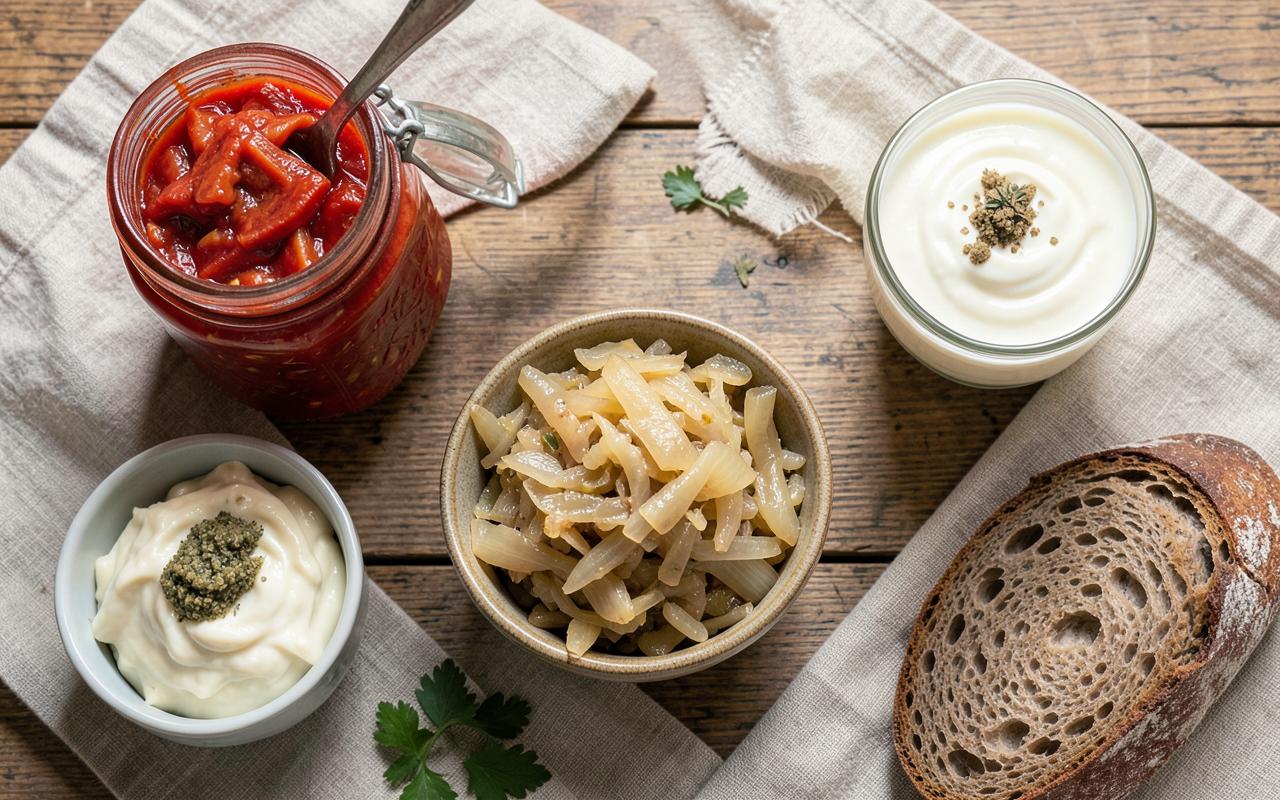
Kimchi, Kefir and Kraut: Is Gut Health the Real Deal?
Fermented foods have gone from niche health shop items to supermarket staples. We ask whether the gut health hype is backed by science.
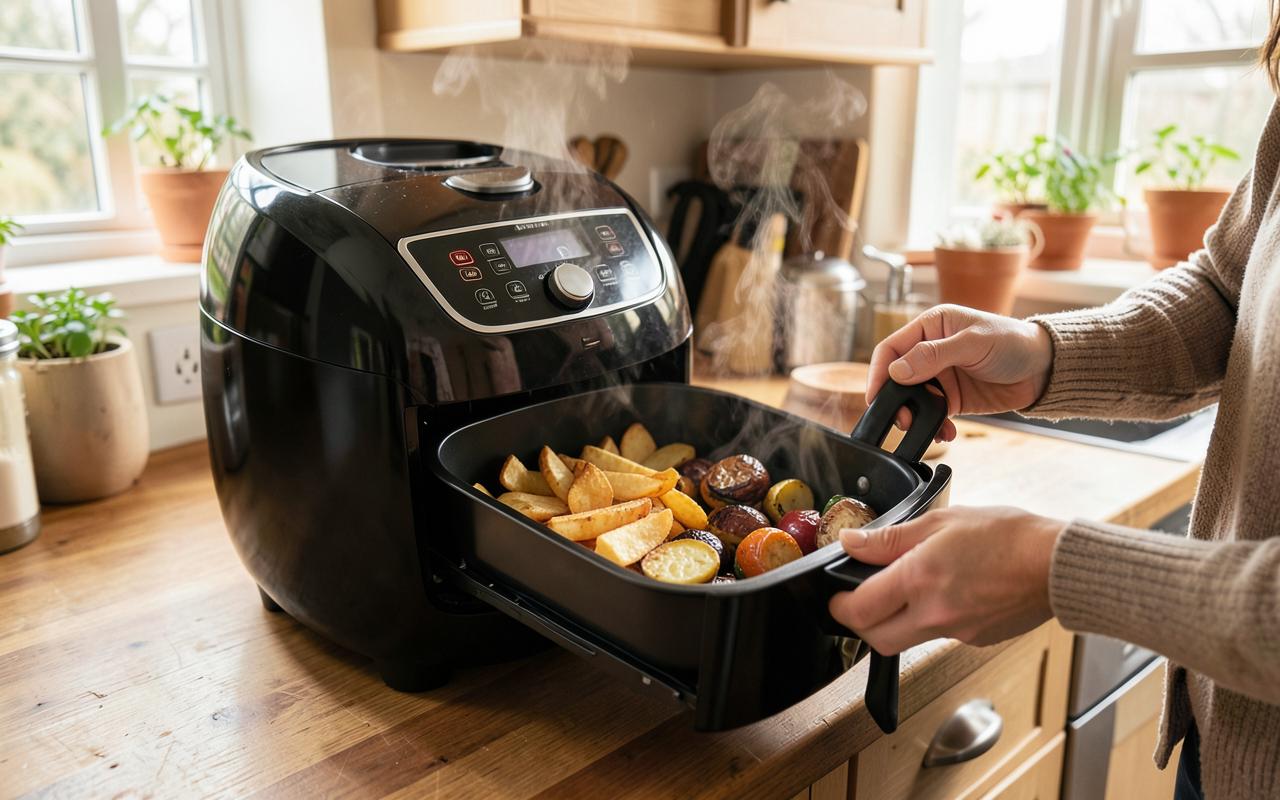
Air Fryer Nation: The Gadget That Changed How Britain Eats
It promised crispy chips with less oil and lower bills. We look at whether the air fryer revolution is actually good for our health.
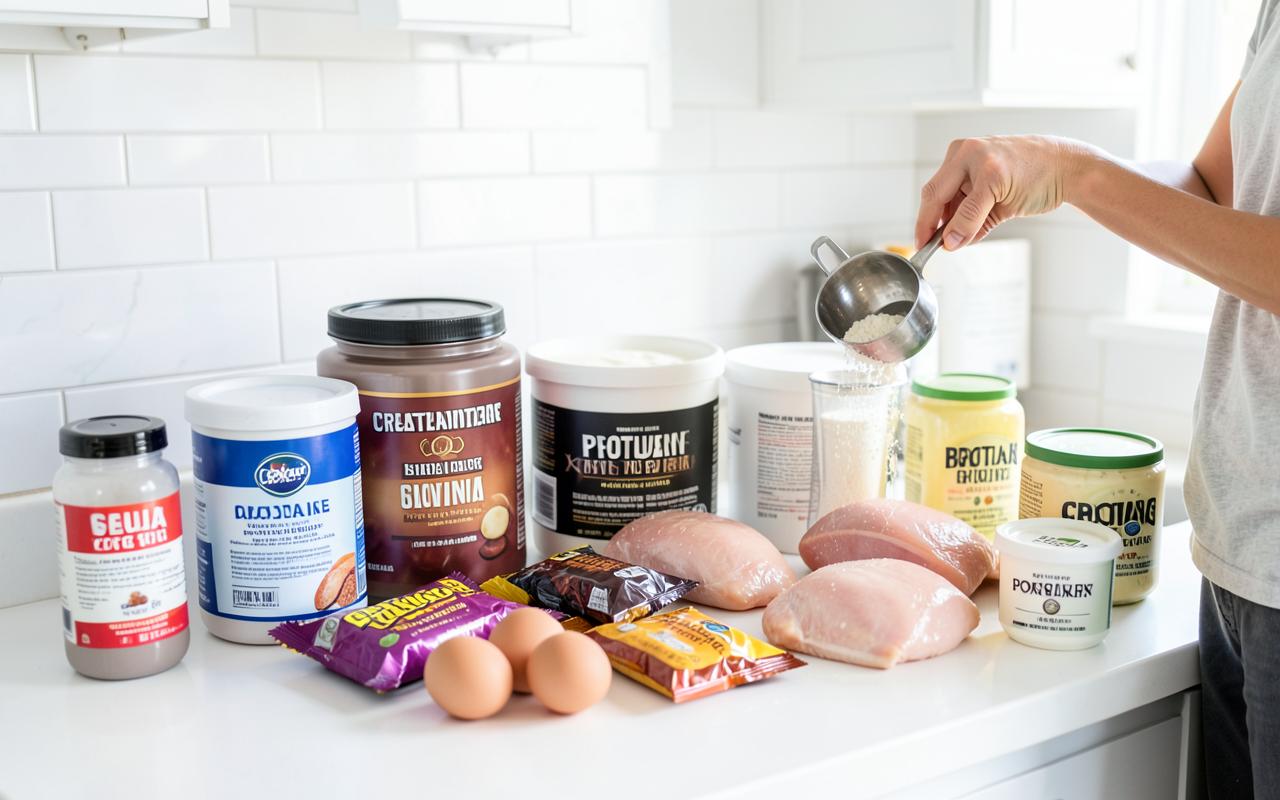
Protein Mania: Are We Overdoing It?
From protein water to protein crisps, Britain has gone macro-mad. But do most of us actually need all this extra protein?
Elsewhere on Iciclraddo

Desk Bound and Doubled Over: Britain's Back Pain Epidemic
Home working has quietly wrecked the nation's spines. Physiotherapists explain why, and share the simple daily habits that can turn things around.

Bath on a Budget: How to Do the Georgian Gem for Under £150
Roman baths, honey-coloured crescents and Jane Austen tea rooms don't have to cost a fortune. Here's a full weekend in Bath for under £150 a head.

Back in the Box Room: Britain's Boomerang Generation Speaks Out
Sky-high rents and stalled wages mean more adults than ever are moving back in with mum and dad. We meet the families making it work, and the ones struggling.

How to Actually Get a GP Appointment: The Insider Tricks That Work
Sick of endless hold music and fully booked surgeries? A GP and a practice manager reveal the tactics that really speed up access to care.