Why Autumn Is the Only Time to Do the Lake District Properly
Skip the summer scrum on Windermere. Locals say the fells only really show off once the bracken turns copper and the crowds go home.
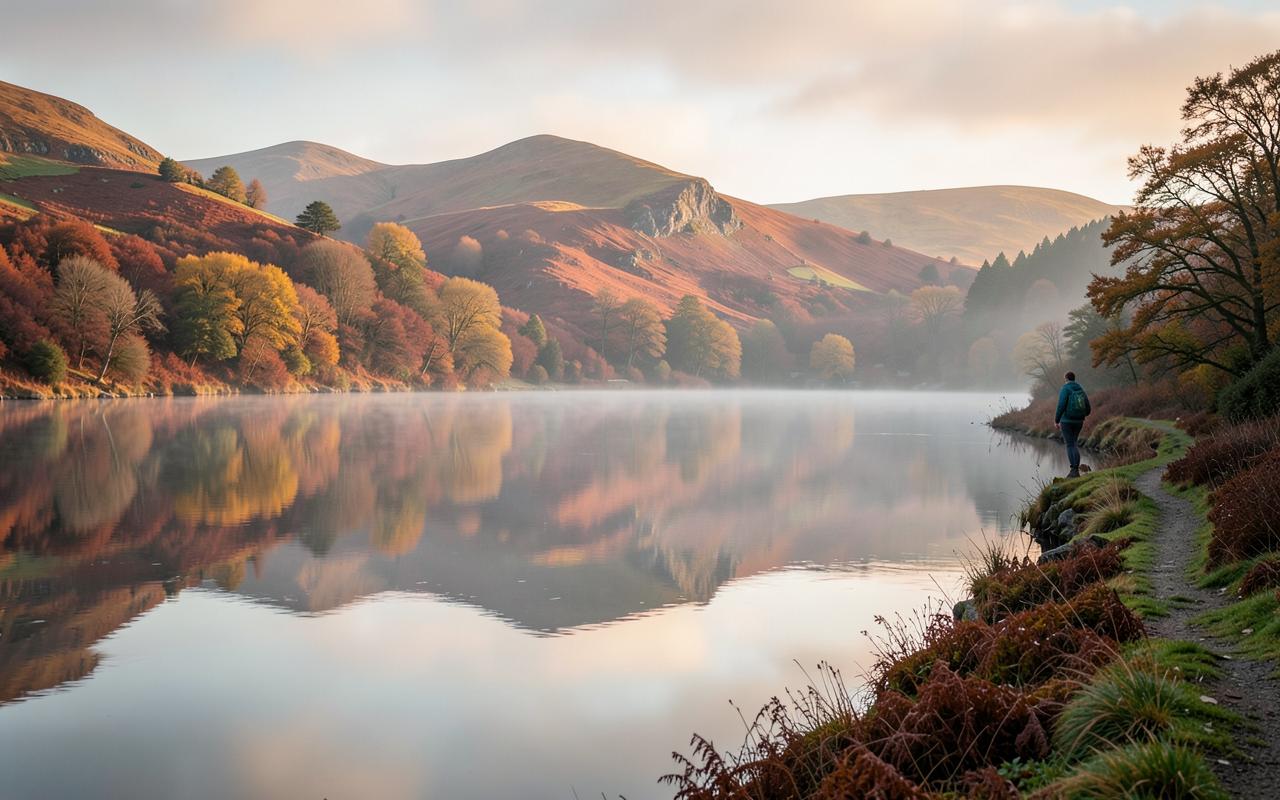
Ask anyone who lives in the Lake District when to visit and you'll get the same answer, delivered with the weary patience of someone who has said it a thousand times: not in August. Come in October instead, when the tourist coaches thin out and the fells put on the best show in England for free.
We arrived in Ambleside on a crisp Tuesday morning in early October, expecting rain, and got three days of low golden light instead. The bracken across Loughrigg Fell had turned the colour of a old penny, and Windermere lay flat as glass, mirroring every larch and birch along its shore.
"Summer here is chaos, if I'm honest," says Bryony Satterthwaite, who runs a farm shop just outside Grasmere. "Coach parties, ice cream queues, cars parked on verges where they shouldn't be. Come October and it's like someone's turned the volume down. You can actually hear the sheep again."
The changing season isn't just about fewer people, though that alone is reason enough. The light in autumn does something the Lakeland poets spent entire careers trying to capture. Wordsworth wrote of Grasmere's "unfruitful loveliness" but he clearly never saw it under an October sunset, when the water turns the colour of Ribena and the fells behind go the deepest purple-brown.
"There's a specific fortnight, usually the third week of October, when the larches on the eastern shore of Derwentwater turn a colour I can only describe as amber fire," says National Trust ranger Selwyn Braithwaite, who has managed woodland around Keswick for fifteen years. "Photographers come from all over the country just for that one fortnight."
It's not only the scenery. Autumn brings the red deer rut in Martindale, one of England's oldest deer parks, where stags bellow across the valley at dawn and dusk trying to see off rivals. Stand quietly near the car park at Howtown before 8am and, with luck and a decent pair of binoculars, you'll see it play out for free.
The walking, too, is transformed. Summer heat makes the classic ridges — Striding Edge, Blencathra's Sharp Edge, the Fairfield Horseshoe — miserable, sweaty slogs shared with three hundred other walkers. In autumn, cooler air means you can actually enjoy the scrambling, and there's a decent chance of having the summit cairn to yourself for a sandwich.
More from Travel in England
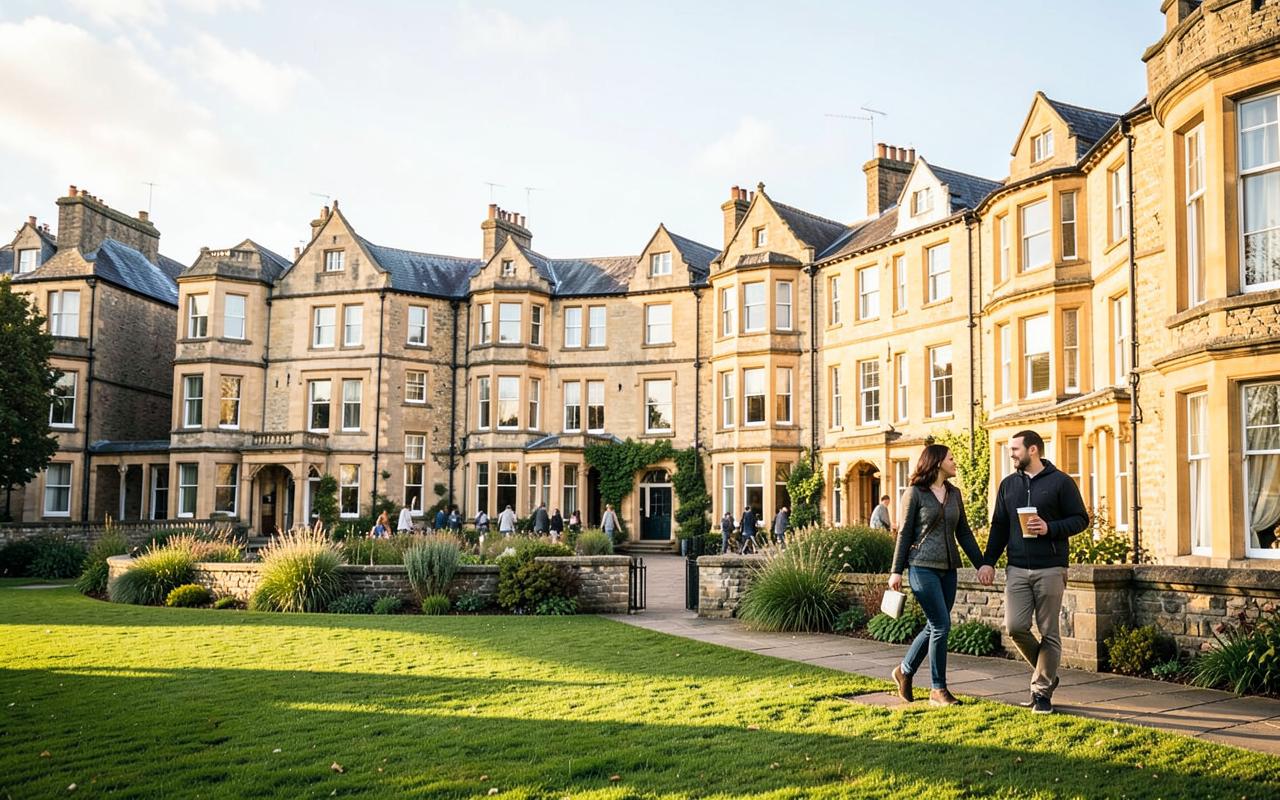
Bath on a Budget: How to Do the Georgian Gem for Under £150
Roman baths, honey-coloured crescents and Jane Austen tea rooms don't have to cost a fortune. Here's a full weekend in Bath for under £150 a head.
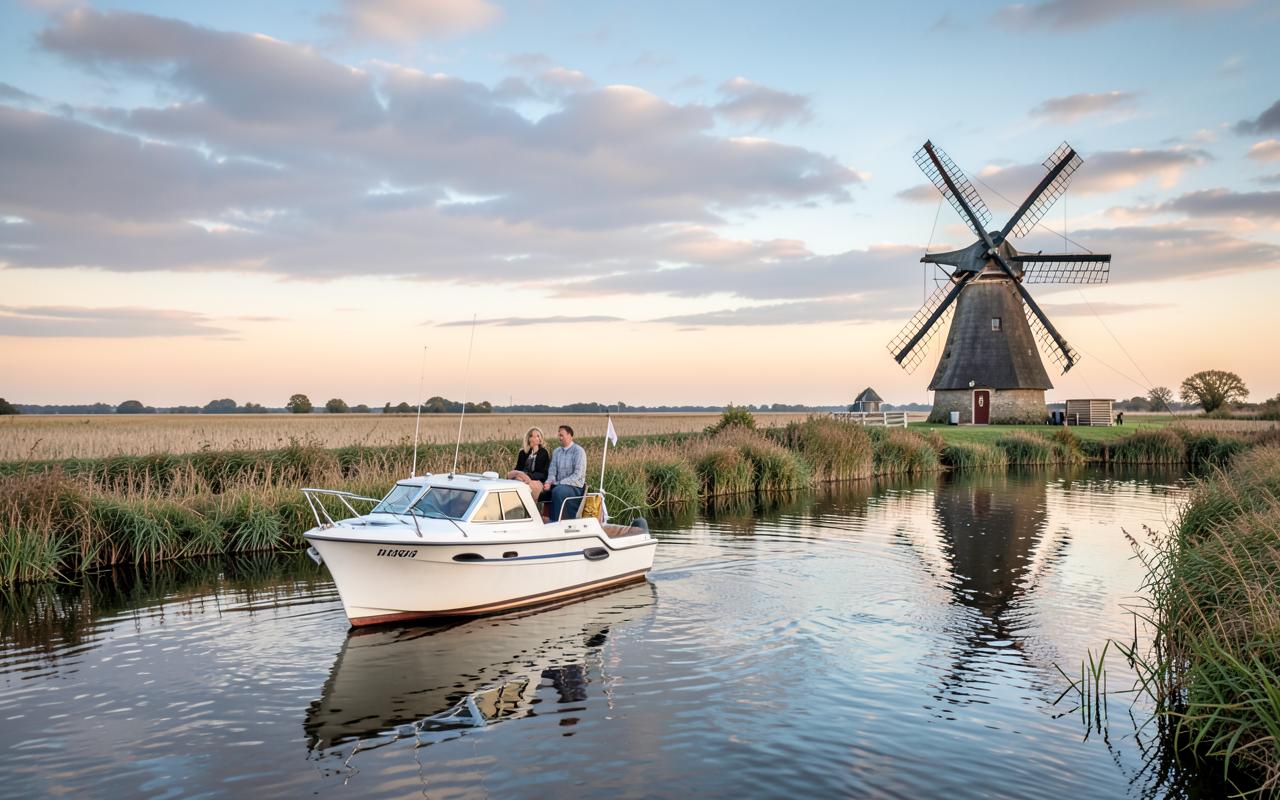
Slow Boat to Nowhere: A Weekend Afloat on the Norfolk Broads
No licence, no rush, no signal — just reed beds, windmills and the occasional heron. Here's how to hire a boat and actually switch off.
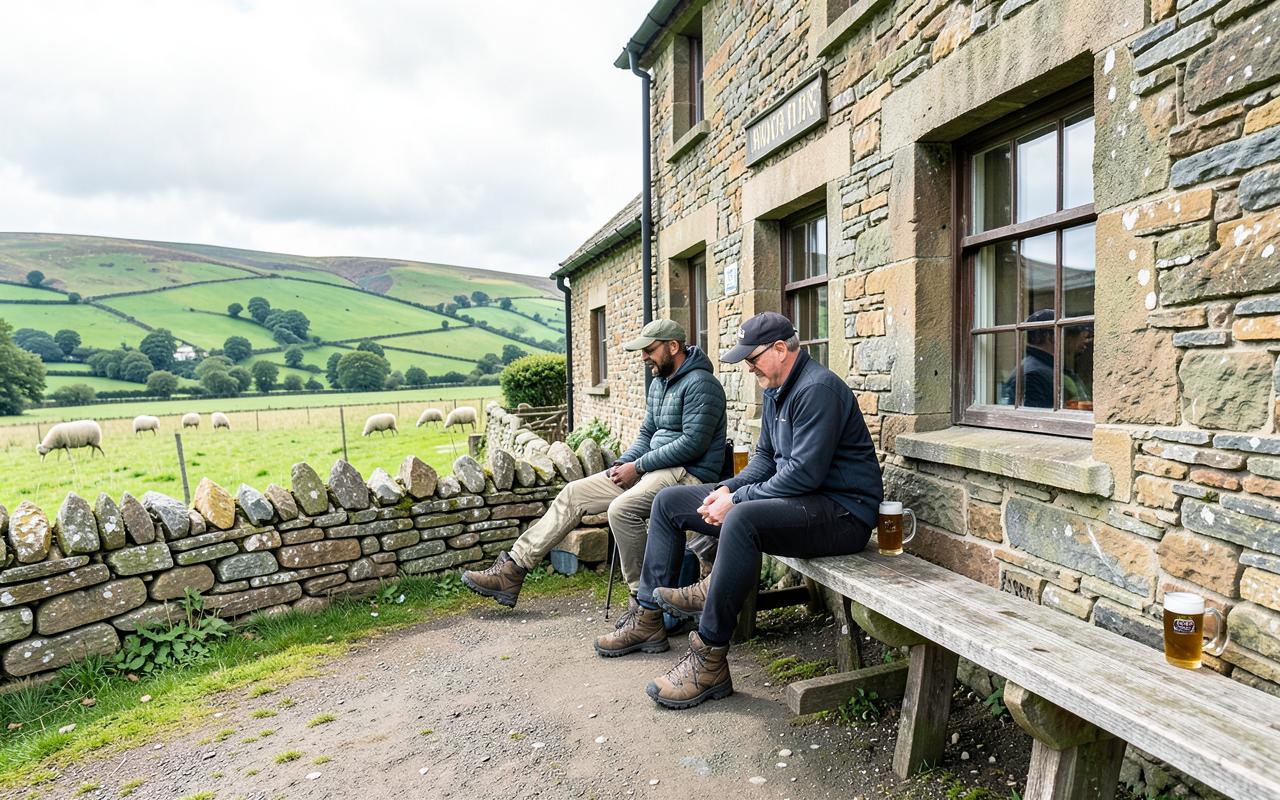
Pint at the End: The Yorkshire Dales Walks Worth Every Blister
Five proper Dales rambles, each one finishing at a pub that actually deserves the pint you'll have earned.
Elsewhere on Iciclraddo

Kimchi, Kefir and Kraut: Is Gut Health the Real Deal?
Fermented foods have gone from niche health shop items to supermarket staples. We ask whether the gut health hype is backed by science.

Desk Bound and Doubled Over: Britain's Back Pain Epidemic
Home working has quietly wrecked the nation's spines. Physiotherapists explain why, and share the simple daily habits that can turn things around.
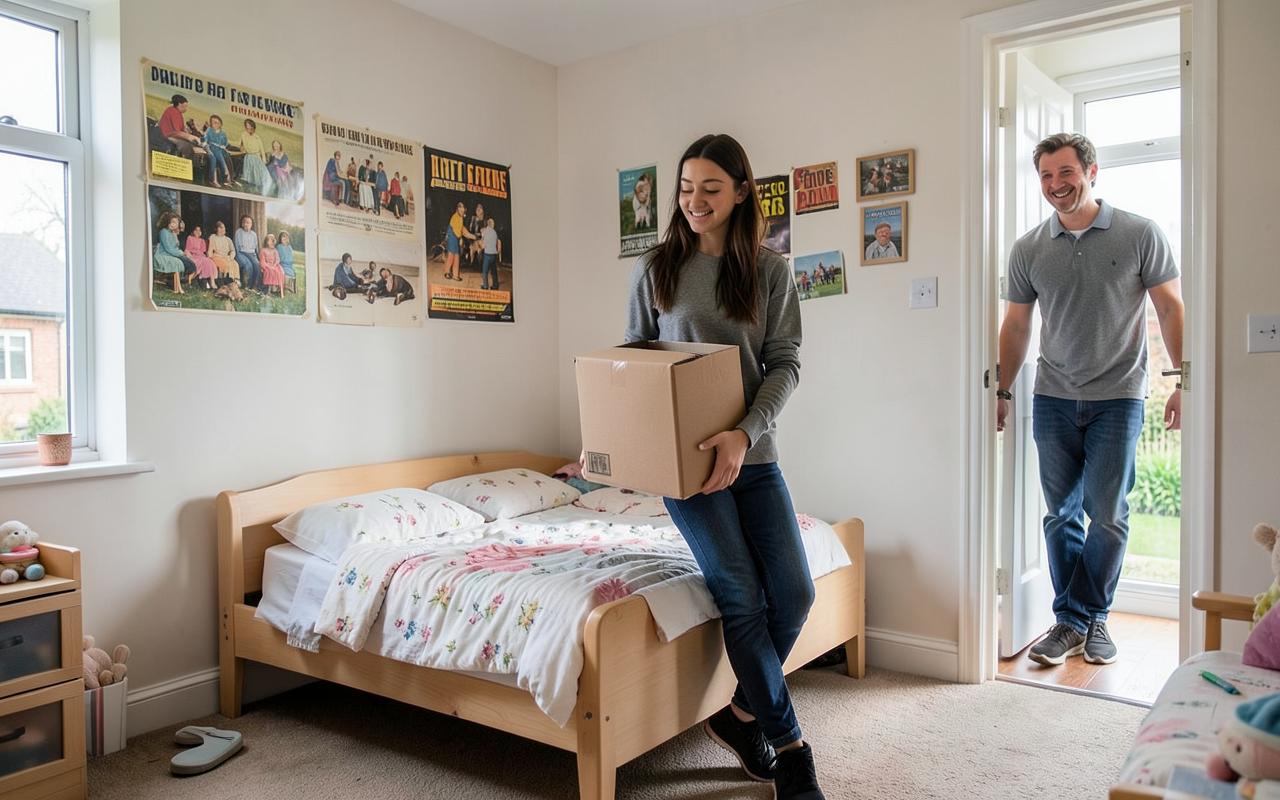
Back in the Box Room: Britain's Boomerang Generation Speaks Out
Sky-high rents and stalled wages mean more adults than ever are moving back in with mum and dad. We meet the families making it work, and the ones struggling.
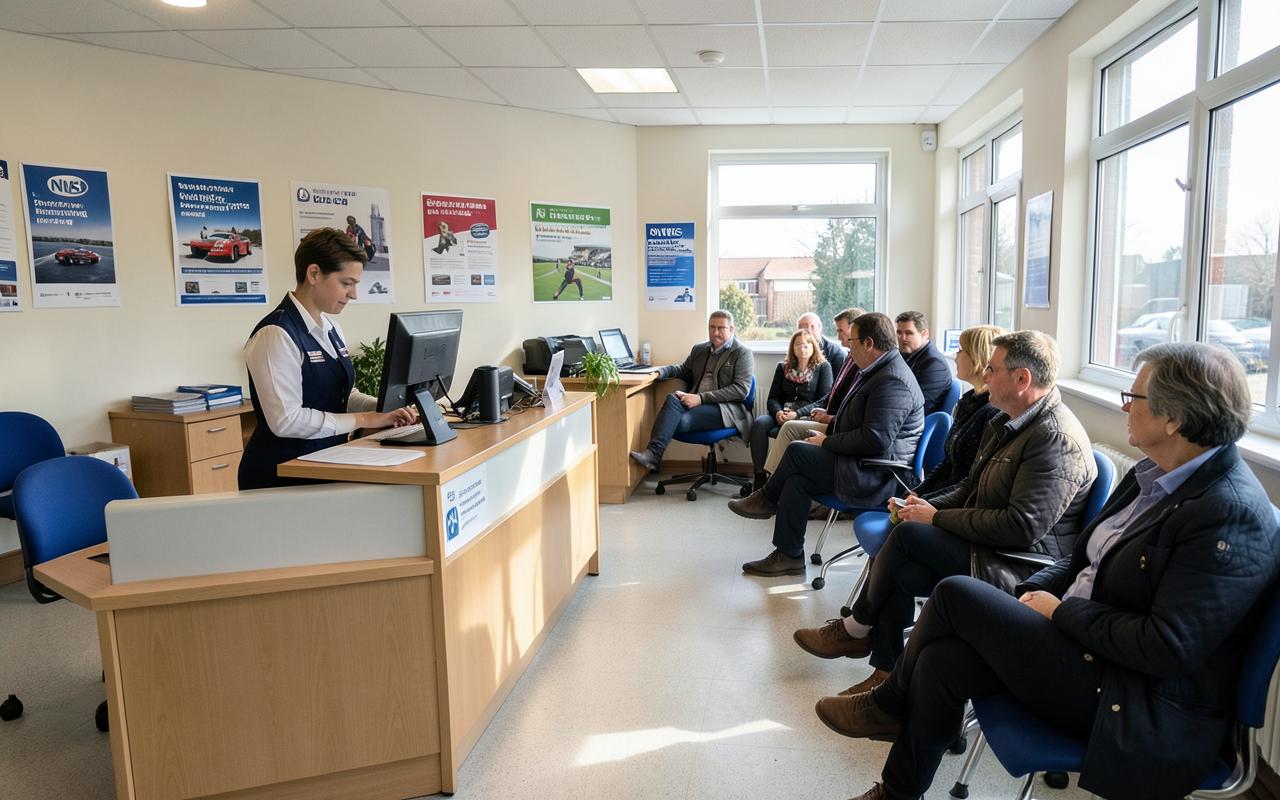
How to Actually Get a GP Appointment: The Insider Tricks That Work
Sick of endless hold music and fully booked surgeries? A GP and a practice manager reveal the tactics that really speed up access to care.