Slow Boat to Nowhere: A Weekend Afloat on the Norfolk Broads
No licence, no rush, no signal — just reed beds, windmills and the occasional heron. Here's how to hire a boat and actually switch off.
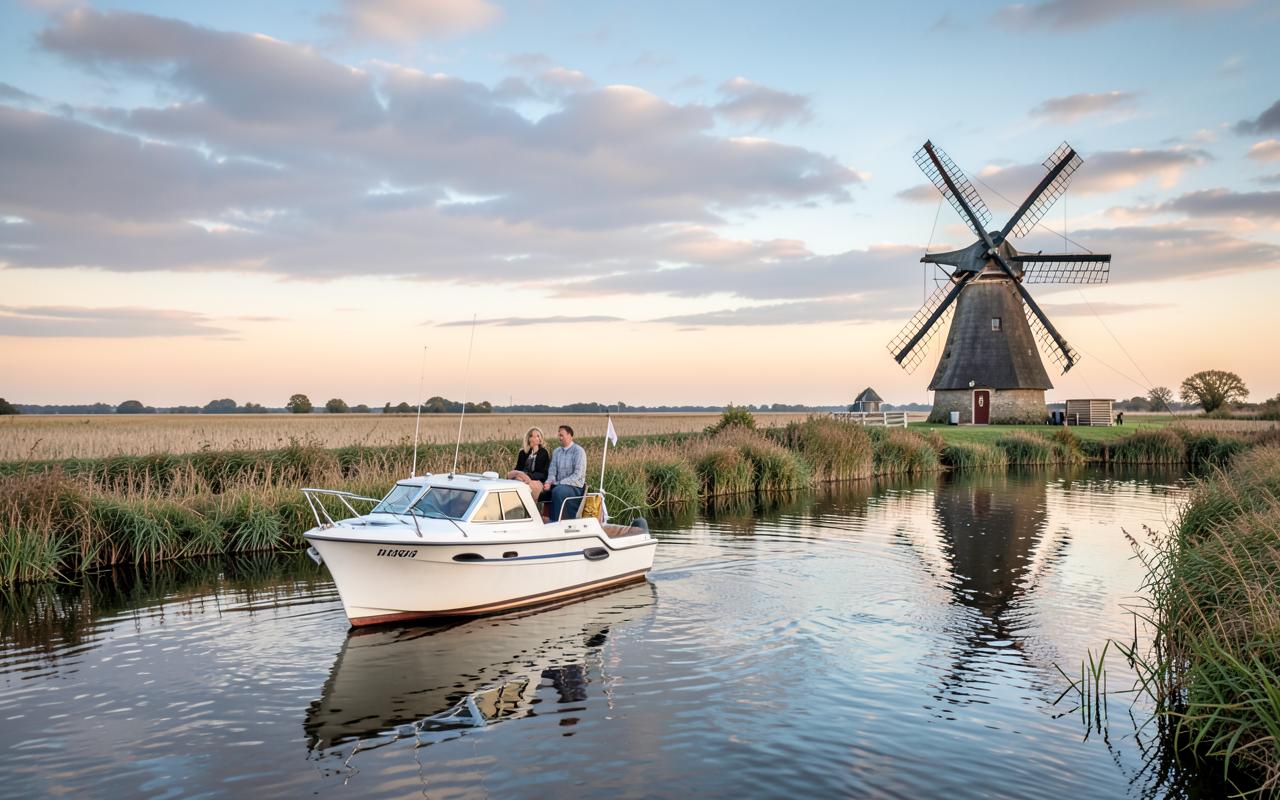
There is no faster way to slow down than steering a cabin cruiser at four miles an hour down a Norfolk waterway with absolutely nowhere to be. No traffic, no roundabouts, no roadworks — just reed beds, the odd windmill, and a heron giving you a filthy look for disturbing its lunch.
We picked up our boat from a yard near Wroxham, the self-styled capital of the Broads, on a Friday afternoon with zero previous boating experience between the four of us. That, it turns out, is entirely normal. No licence is required to hire a Broads cruiser — just a fifteen-minute handover from the yard and a healthy respect for other boats' wash.
"We get people who've never so much as rowed a dinghy and by Sunday they're mooring like old hands," says boatyard manager Colin Rackham, who has hired out cruisers on the Broads for over two decades. "It's forgiving water. Slow speeds, wide channels, and if you do bump the bank, nobody's insurance goes up."
The Broads themselves — more than 120 miles of navigable rivers and lakes across Norfolk and Suffolk — were, famously, accidentally man-made, the flooded remains of medieval peat diggings. You'd never guess it looking at them now; the whole area feels ancient, timeless, and thoroughly wild, even though it's really a very large, very old quarry.
Our route took us from Wroxham down the River Bure to Horning, out onto Barton Broad for a still, glassy afternoon of absolutely nothing, then on to the small staithe at Ranworth, where St Helen's Church — nicknamed the Cathedral of the Broads — offers the single best panoramic view of the entire national park from its tower.
"Climb it just before sunset if you can manage the stairs," advises Ranworth churchwarden Audrey Fincham. "You can see right across to Hickling and beyond on a clear evening. People are always surprised how flat and how enormous it all looks from up there."
Wildlife is the other headline act. Norfolk hosts the last significant UK population of swallowtail butterflies, found nowhere else in Britain, along with marsh harriers, bitterns booming from the reed beds, and otters if you're very lucky and very quiet at dawn.
More from Travel in England
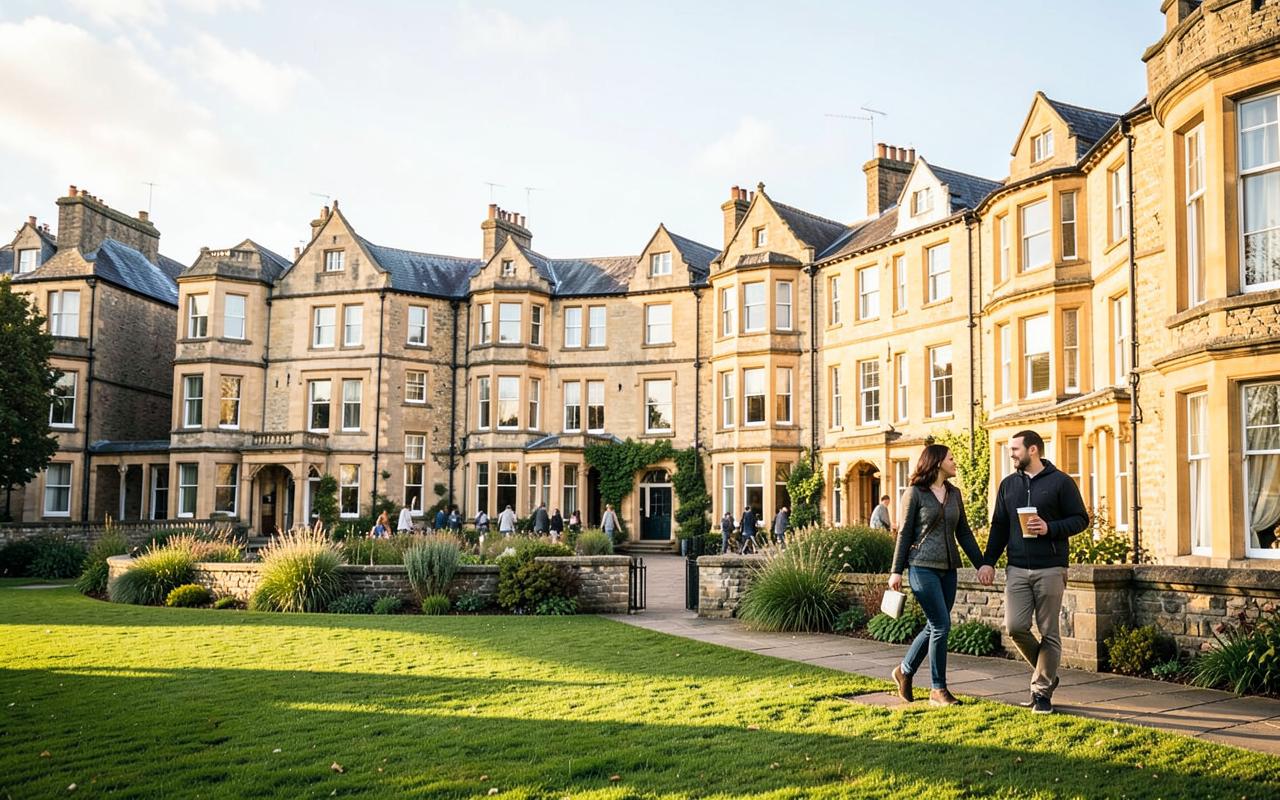
Bath on a Budget: How to Do the Georgian Gem for Under £150
Roman baths, honey-coloured crescents and Jane Austen tea rooms don't have to cost a fortune. Here's a full weekend in Bath for under £150 a head.
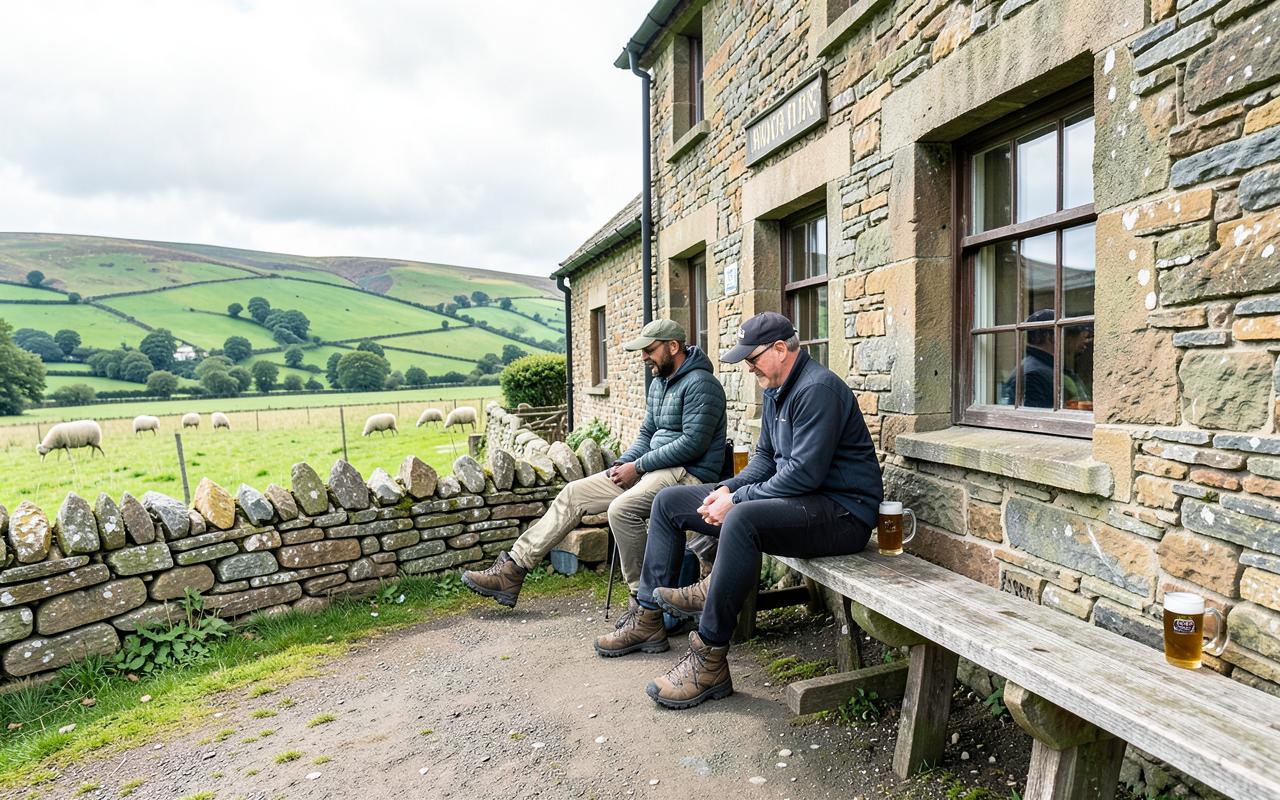
Pint at the End: The Yorkshire Dales Walks Worth Every Blister
Five proper Dales rambles, each one finishing at a pub that actually deserves the pint you'll have earned.
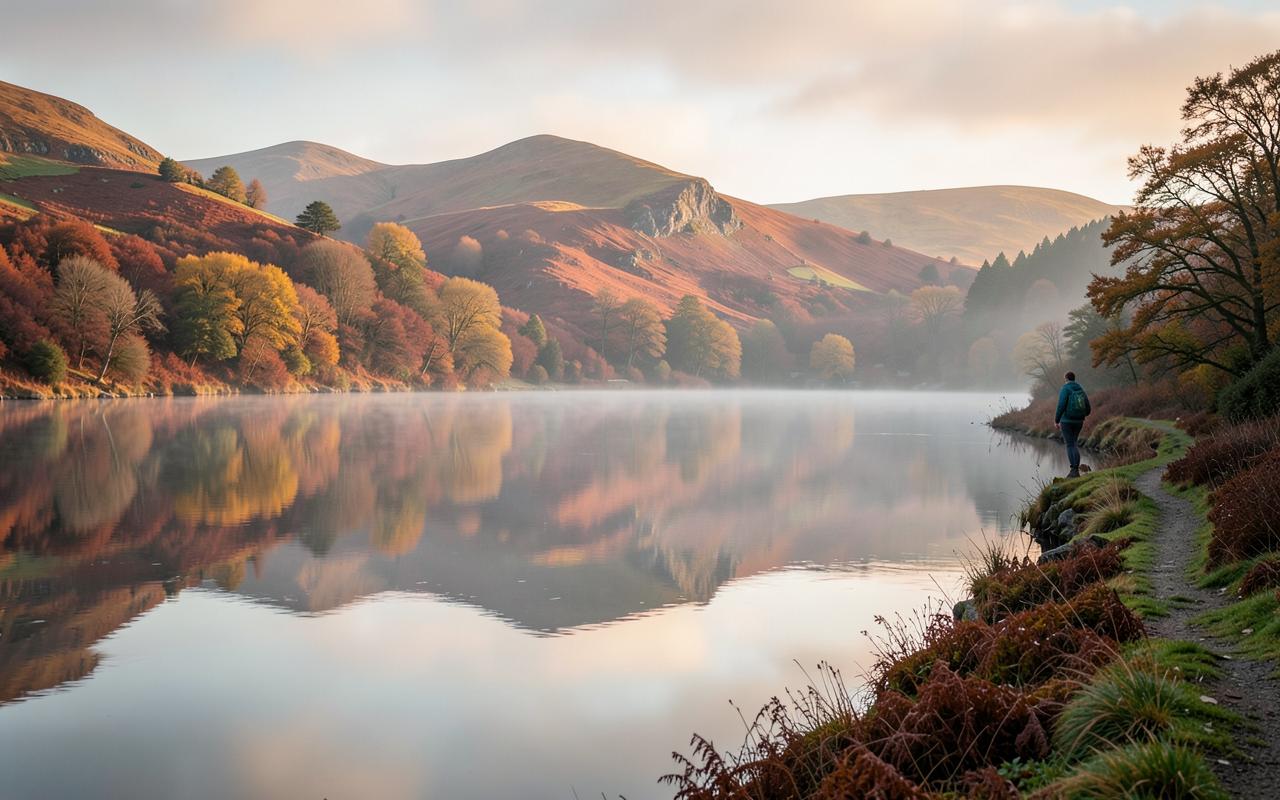
Why Autumn Is the Only Time to Do the Lake District Properly
Skip the summer scrum on Windermere. Locals say the fells only really show off once the bracken turns copper and the crowds go home.
Elsewhere on Iciclraddo

Kimchi, Kefir and Kraut: Is Gut Health the Real Deal?
Fermented foods have gone from niche health shop items to supermarket staples. We ask whether the gut health hype is backed by science.

Desk Bound and Doubled Over: Britain's Back Pain Epidemic
Home working has quietly wrecked the nation's spines. Physiotherapists explain why, and share the simple daily habits that can turn things around.
Back in the Box Room: Britain's Boomerang Generation Speaks Out
Sky-high rents and stalled wages mean more adults than ever are moving back in with mum and dad. We meet the families making it work, and the ones struggling.
How to Actually Get a GP Appointment: The Insider Tricks That Work
Sick of endless hold music and fully booked surgeries? A GP and a practice manager reveal the tactics that really speed up access to care.