Protein Mania: Are We Overdoing It?
From protein water to protein crisps, Britain has gone macro-mad. But do most of us actually need all this extra protein?
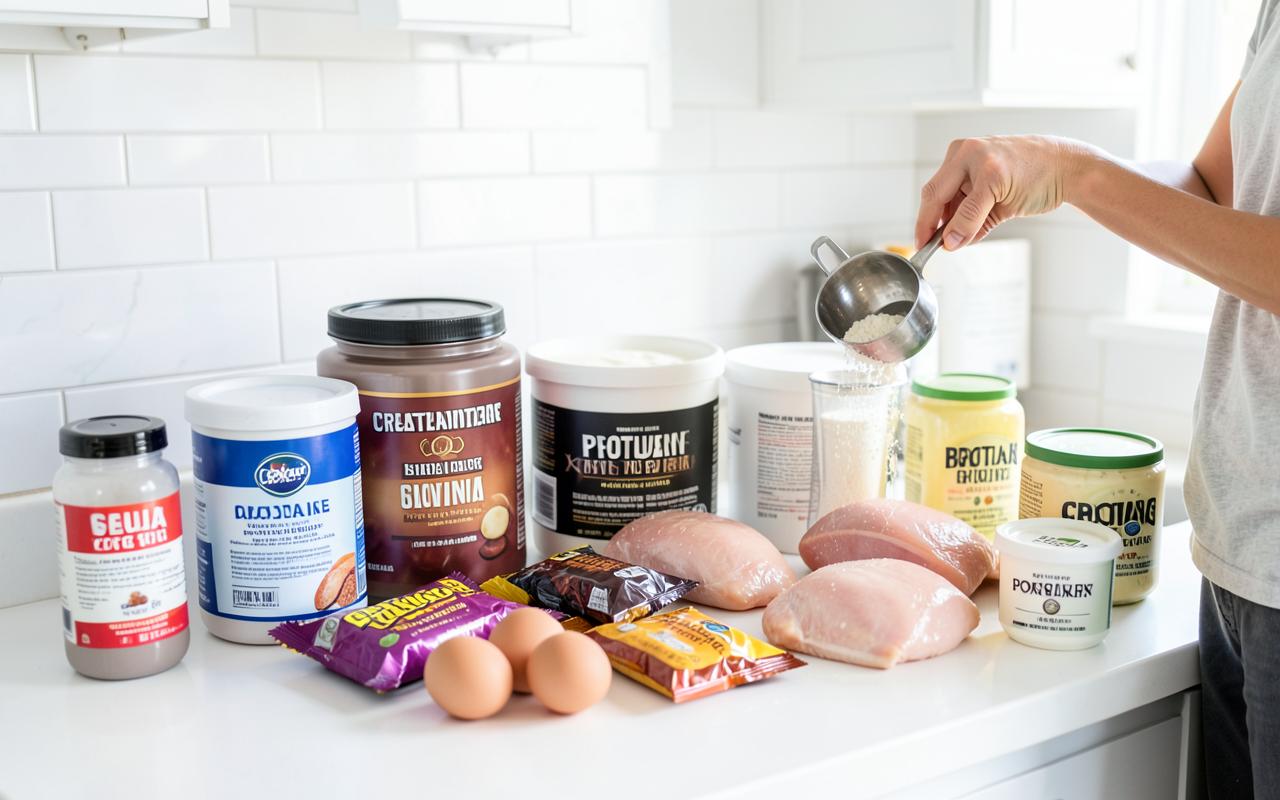
Walk down any supermarket aisle and you would be forgiven for thinking protein has become the only nutrient that exists. Protein water. Protein popcorn. Protein ice cream. Even protein-enriched bread, as if the loaf was previously lacking. Britain, it seems, has entered a full-blown protein craze, and nutritionists have some thoughts about it.
"It's genuinely one of the strangest food trends I've witnessed in twenty years of practice," says registered dietitian Tobias Kingswell, who consults for a fictional sports nutrition clinic in London. "We've gone from barely thinking about protein to treating it like a magic ingredient that can be bolted onto absolutely anything."
The trend has clear roots in gym culture and social media, where influencers tout ever-higher protein targets for muscle building, fat loss and general wellness. But it has spilled well beyond the weights room and into the shopping baskets of ordinary families who have never set foot in a gym.
So how much protein do we actually need? For the average, moderately active adult, official UK guidance suggests around 0.75 grams per kilogram of body weight per day, which works out to roughly 45 to 55 grams for most people, easily achieved through ordinary meals without a single protein bar in sight.
"A chicken breast has around 30 grams of protein. Two eggs have about 12. A tin of beans has around 15. Most people hit their target without even trying," says Kingswell. "The idea that the average British adult is walking around dangerously protein-deficient simply isn't supported by the evidence."
That said, some groups genuinely do benefit from higher intakes, particularly older adults trying to preserve muscle mass, and those doing serious strength training. "If you're in your seventies and at risk of frailty, or you're lifting weights four times a week trying to build muscle, your needs might rise to 1.2 to 1.6 grams per kilogram," explains Dr Rosalind Ffitch, a fictional exercise physiologist based in Cardiff. "But that's a specific target for a specific group, not a blanket rule for everyone."
Case study Marcus Delaney, 29, a warehouse operative from Wolverhampton who took up weightlifting during lockdown, admits he went overboard. "I was drinking three protein shakes a day on top of eating chicken with basically every meal," he says. "I was probably eating close to 250 grams a day, way more than I needed for the amount I was training."
More from Nutrition

Kimchi, Kefir and Kraut: Is Gut Health the Real Deal?
Fermented foods have gone from niche health shop items to supermarket staples. We ask whether the gut health hype is backed by science.

Air Fryer Nation: The Gadget That Changed How Britain Eats
It promised crispy chips with less oil and lower bills. We look at whether the air fryer revolution is actually good for our health.
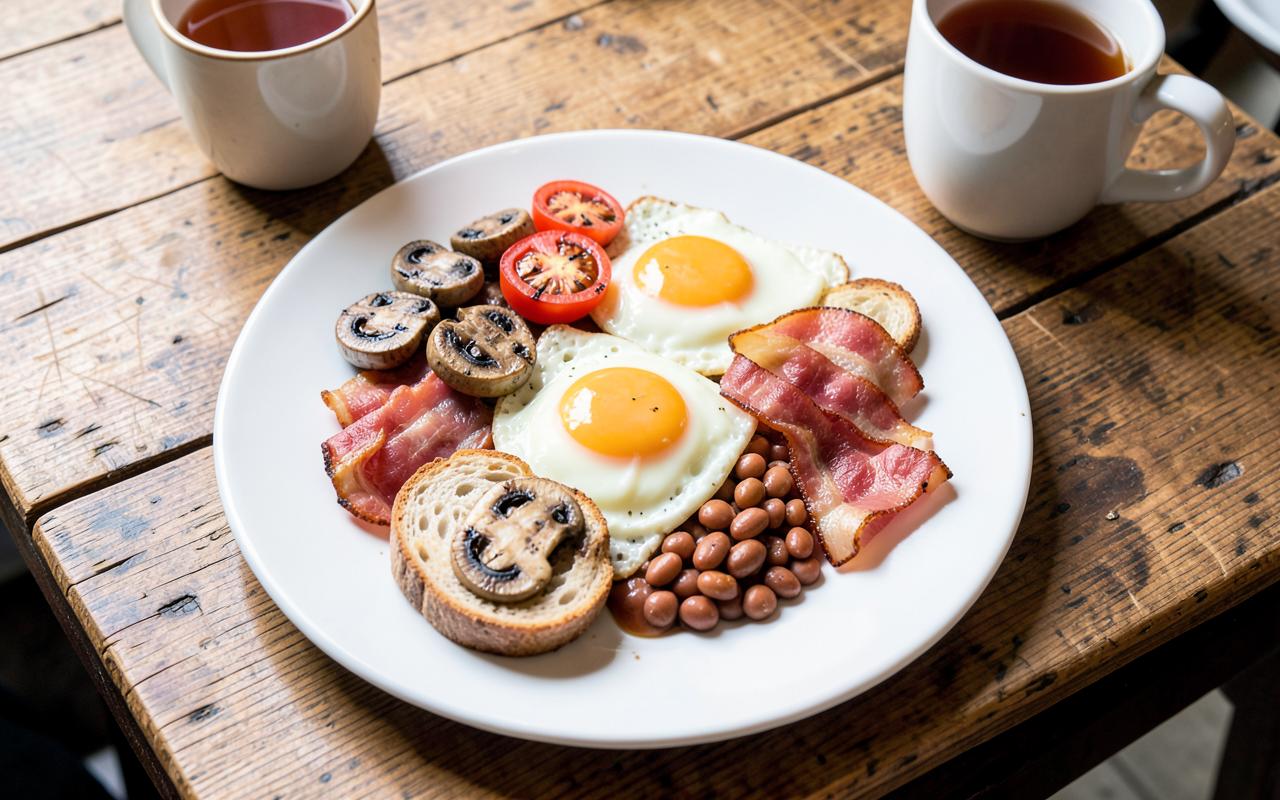
Can a Full English Ever Be Healthy? We Asked the Experts
Sausage, bacon, eggs, beans and a fried slice: Britain's favourite fry-up gets the nutritional once-over.
Elsewhere on Iciclraddo

Desk Bound and Doubled Over: Britain's Back Pain Epidemic
Home working has quietly wrecked the nation's spines. Physiotherapists explain why, and share the simple daily habits that can turn things around.

Bath on a Budget: How to Do the Georgian Gem for Under £150
Roman baths, honey-coloured crescents and Jane Austen tea rooms don't have to cost a fortune. Here's a full weekend in Bath for under £150 a head.

Back in the Box Room: Britain's Boomerang Generation Speaks Out
Sky-high rents and stalled wages mean more adults than ever are moving back in with mum and dad. We meet the families making it work, and the ones struggling.

How to Actually Get a GP Appointment: The Insider Tricks That Work
Sick of endless hold music and fully booked surgeries? A GP and a practice manager reveal the tactics that really speed up access to care.