Britain Is Running on Empty: The Hidden Cost of Our Sleep Debt
We're sleeping ninety minutes less than we used to, and experts say it's quietly wrecking our health. Here's how to start paying back what you owe.
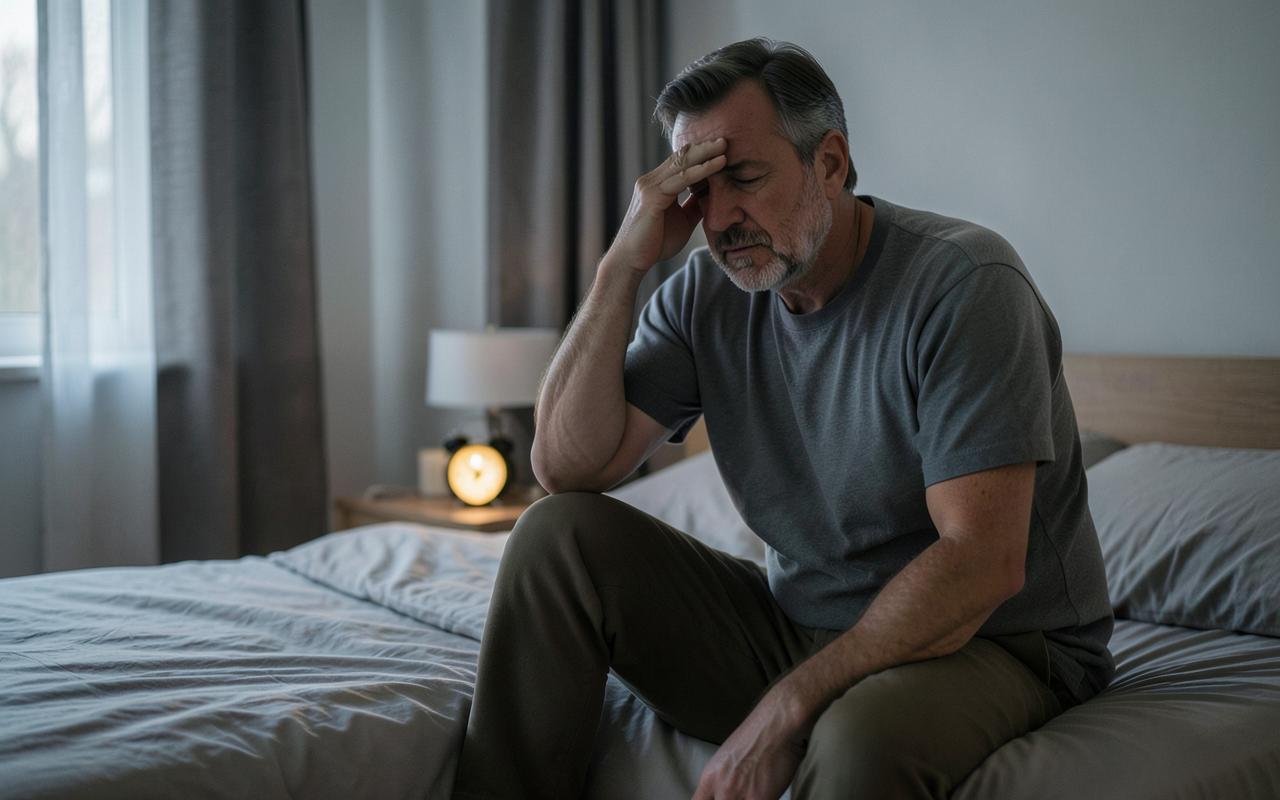
Britain has a dirty secret, and it isn't hiding in a cupboard, it's hiding under our duvets. According to sleep researchers, the average adult in the UK is now getting nearly ninety minutes less sleep per night than we did just two generations ago.
"We are a nation running on empty," says Professor Helen Marsh, a sleep scientist at a Midlands university clinic who has spent twenty years studying British sleep habits. "The sleep debt we're accumulating isn't just making us tired. It's making us ill."
Take Karen Ogilvie, 39, a call centre manager from Coventry, who reckons she's been averaging five and a half hours a night for the best part of a decade. "Between the kids, the mortgage worries and doom-scrolling at midnight, sleep just gets shoved to the bottom of the list," she admits. "I used to think I was just one of those people who didn't need much sleep. Turns out I was just permanently knackered and didn't realise it."
Professor Marsh says Karen's story is depressingly familiar. "Nobody actually needs less sleep than the recommended seven to nine hours. What happens is people adapt to feeling tired and it becomes their new normal. They forget what properly rested feels like."
The consequences go well beyond yawning through meetings. Chronic sleep deprivation has been linked in research to a higher risk of obesity, type 2 diabetes, weakened immunity and heart disease. It also takes a serious toll on mental health.
"Sleep is when the brain does its housekeeping," explains Dr Aidan Fletcher, a GP with a special interest in sleep medicine who runs a practice in Sheffield. "It clears out toxins, consolidates memories and regulates the hormones that control appetite and stress. Skimp on it night after night and everything from your mood to your waistline suffers."
Dr Fletcher says he sees the fallout in his surgery daily. "I'd say a third of my appointments have poor sleep as either the main complaint or a contributing factor. People come in for headaches, weight gain, low mood, even relationship problems, and when we dig deeper, they're getting four or five hours a night."
So what's driving the crisis? Experts point to a perfect storm: longer commutes, blue light from phones and tablets late at night, rising financial anxiety, and a culture that treats sleep as a luxury rather than a necessity.
More from Health

Desk Bound and Doubled Over: Britain's Back Pain Epidemic
Home working has quietly wrecked the nation's spines. Physiotherapists explain why, and share the simple daily habits that can turn things around.
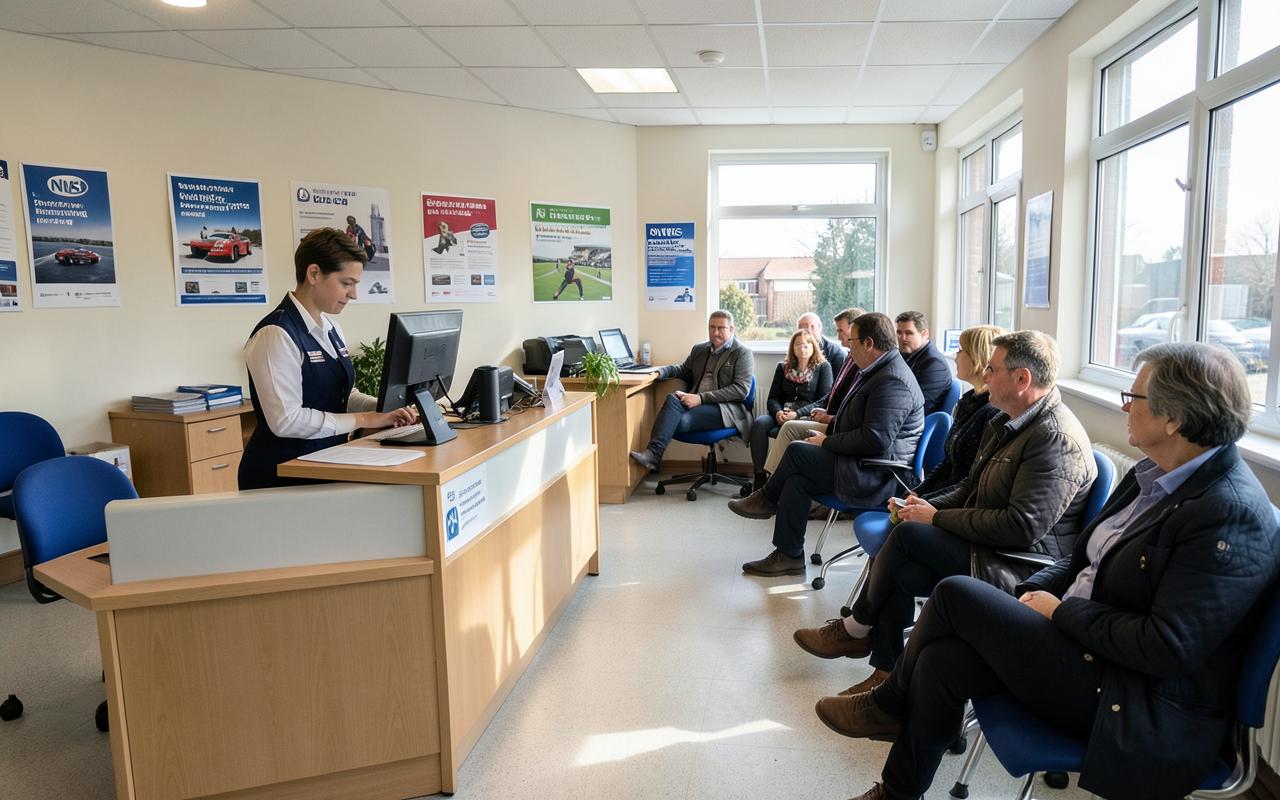
How to Actually Get a GP Appointment: The Insider Tricks That Work
Sick of endless hold music and fully booked surgeries? A GP and a practice manager reveal the tactics that really speed up access to care.
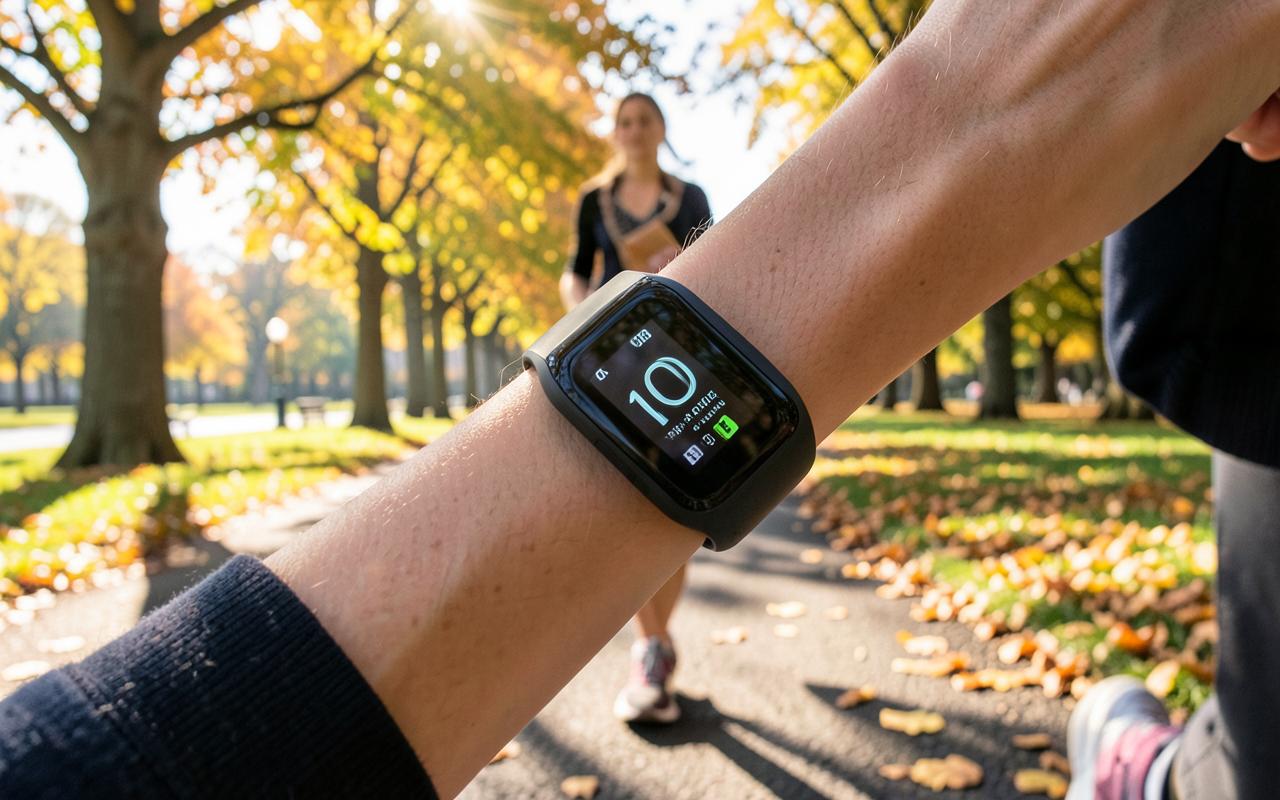
10,000 Steps? The Number Your Fitness Tracker Doesn't Want You to Know
The famous daily step target began life as a 1960s advertising slogan, not science. We reveal what research actually says you should be aiming for.
Elsewhere on Iciclraddo

Kimchi, Kefir and Kraut: Is Gut Health the Real Deal?
Fermented foods have gone from niche health shop items to supermarket staples. We ask whether the gut health hype is backed by science.

Bath on a Budget: How to Do the Georgian Gem for Under £150
Roman baths, honey-coloured crescents and Jane Austen tea rooms don't have to cost a fortune. Here's a full weekend in Bath for under £150 a head.
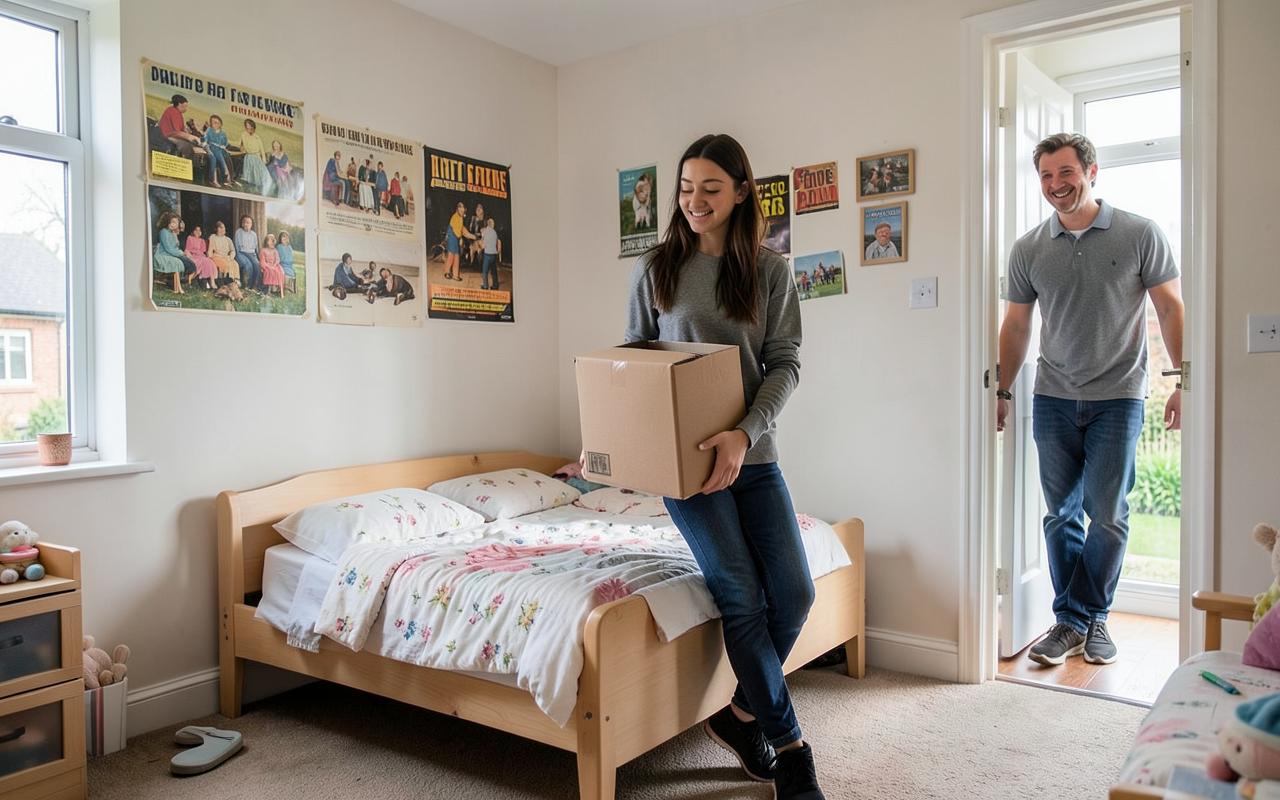
Back in the Box Room: Britain's Boomerang Generation Speaks Out
Sky-high rents and stalled wages mean more adults than ever are moving back in with mum and dad. We meet the families making it work, and the ones struggling.

Slow Boat to Nowhere: A Weekend Afloat on the Norfolk Broads
No licence, no rush, no signal — just reed beds, windmills and the occasional heron. Here's how to hire a boat and actually switch off.