10,000 Steps? The Number Your Fitness Tracker Doesn't Want You to Know
The famous daily step target began life as a 1960s advertising slogan, not science. We reveal what research actually says you should be aiming for.
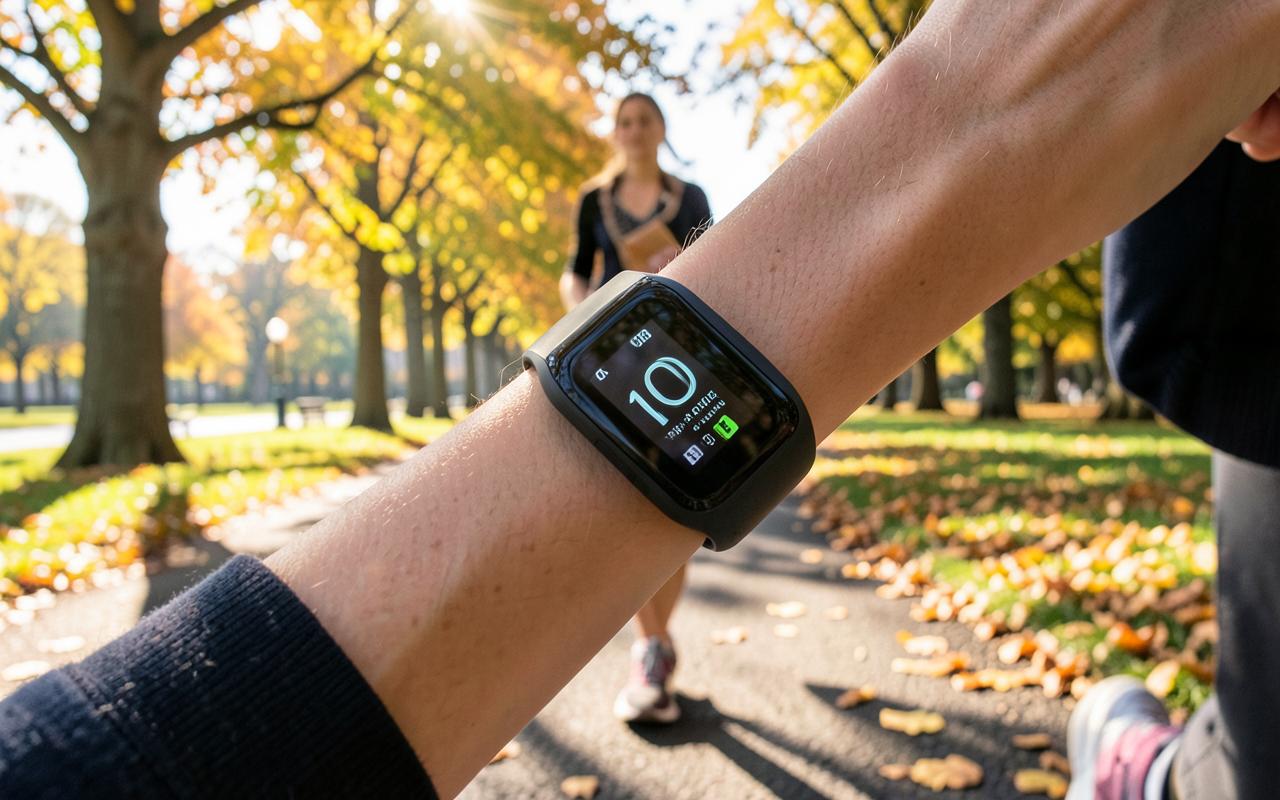
For years we've all been told to hit 10,000 steps a day or feel like a failure. Fitness trackers buzz with disapproval if we fall short, gym instructors preach it like gospel, and entire industries have been built around that magic five-figure number.
But here's the twist nobody saw coming: the 10,000 step target has almost nothing to do with science. "It originated from a 1960s Japanese marketing campaign for a pedometer called the manpo-kei, which literally translates as '10,000 step meter'," reveals Dr Priya Chandran, an exercise physiologist based in Manchester. "It was a catchy number chosen to sell a product, not a figure derived from rigorous health research."
That revelation has been quietly circulating in academic circles for a while, but it's only recently filtered through to the public, much to the astonishment of committed step-counters like Trevor Higson, 52, an accountant from Solihull.
"I've been beating myself up for years whenever I don't hit ten thousand," Trevor says. "Some days I'm stuck at a desk and I only manage four thousand, and I genuinely feel guilty, like I've let myself down. Finding out the number's basically made up is honestly a bit of a relief."
So what does the actual evidence say? According to Dr Chandran, several large studies tracking step counts against mortality and disease risk suggest the real sweet spot may be considerably lower than most people assume.
"Research involving thousands of participants has repeatedly shown that health benefits, particularly reductions in risk of early death and cardiovascular disease, begin appearing at around 4,000 to 5,000 steps a day, with the biggest gains seen between 6,000 and 8,000 steps," she explains. "Beyond that point, the curve flattens. You still get benefits from more, but the returns diminish."
Crucially, older adults may see meaningful benefits from even fewer steps. "For someone in their seventies or eighties, even 2,000 to 3,000 extra steps compared to a very sedentary baseline can meaningfully reduce risk," says Dr Chandran. "It's about moving more than you currently do, not chasing an arbitrary number plucked from a 1960s advert."
More from Health

Desk Bound and Doubled Over: Britain's Back Pain Epidemic
Home working has quietly wrecked the nation's spines. Physiotherapists explain why, and share the simple daily habits that can turn things around.

How to Actually Get a GP Appointment: The Insider Tricks That Work
Sick of endless hold music and fully booked surgeries? A GP and a practice manager reveal the tactics that really speed up access to care.
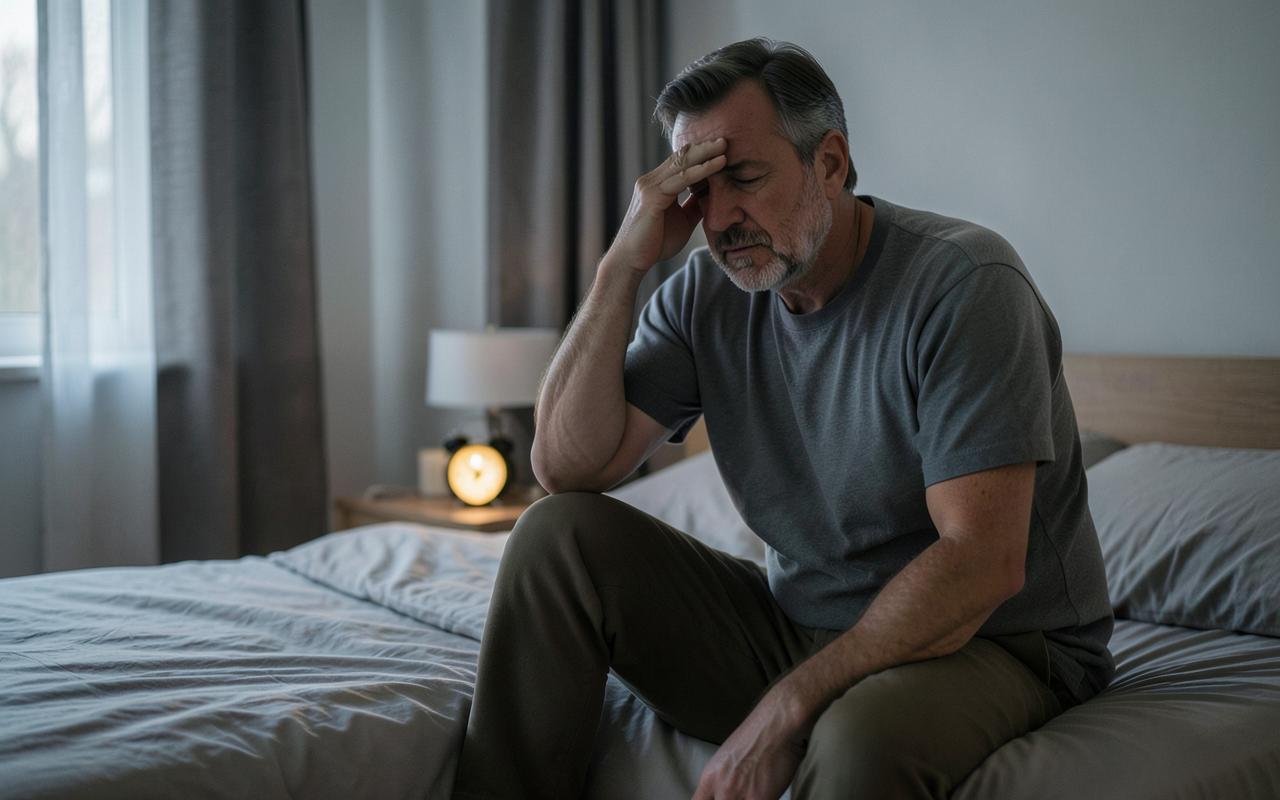
Britain Is Running on Empty: The Hidden Cost of Our Sleep Debt
We're sleeping ninety minutes less than we used to, and experts say it's quietly wrecking our health. Here's how to start paying back what you owe.
Elsewhere on Iciclraddo

Kimchi, Kefir and Kraut: Is Gut Health the Real Deal?
Fermented foods have gone from niche health shop items to supermarket staples. We ask whether the gut health hype is backed by science.

Bath on a Budget: How to Do the Georgian Gem for Under £150
Roman baths, honey-coloured crescents and Jane Austen tea rooms don't have to cost a fortune. Here's a full weekend in Bath for under £150 a head.
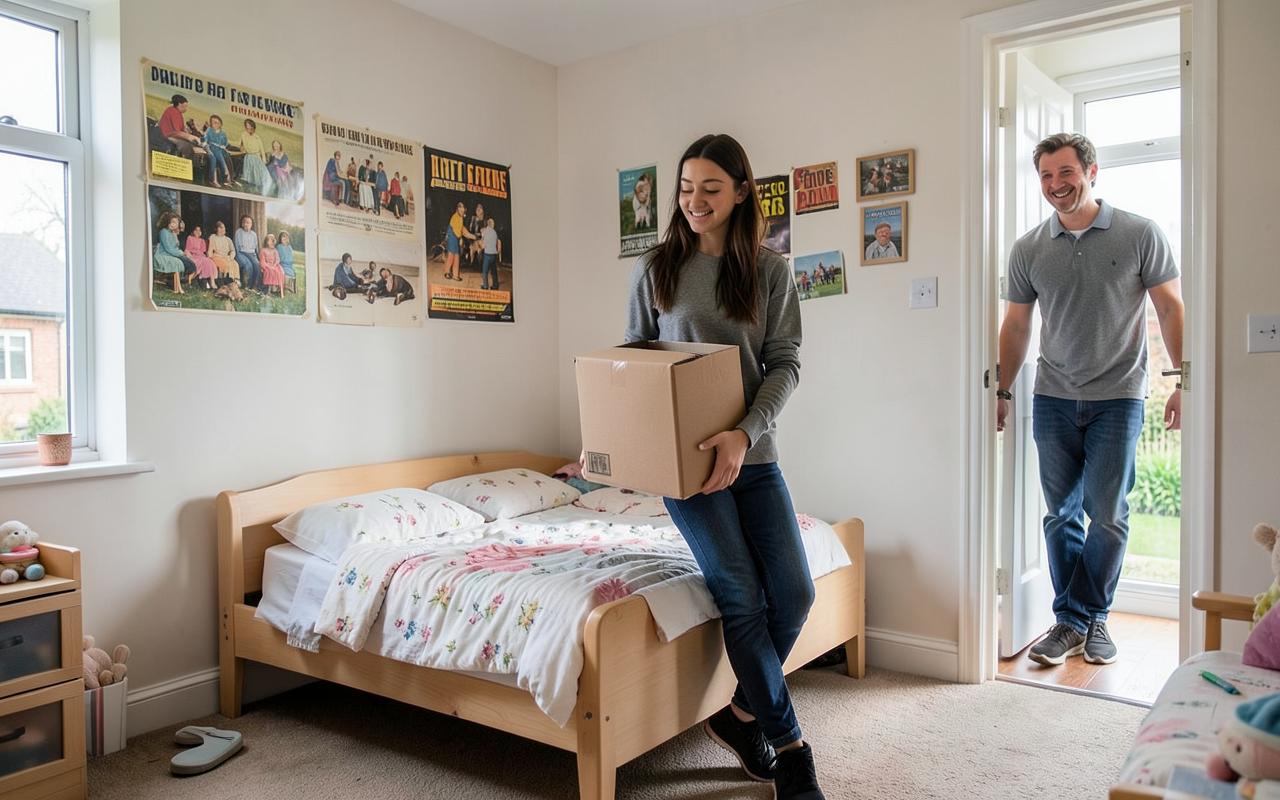
Back in the Box Room: Britain's Boomerang Generation Speaks Out
Sky-high rents and stalled wages mean more adults than ever are moving back in with mum and dad. We meet the families making it work, and the ones struggling.

Slow Boat to Nowhere: A Weekend Afloat on the Norfolk Broads
No licence, no rush, no signal — just reed beds, windmills and the occasional heron. Here's how to hire a boat and actually switch off.