The UPF Trap: What's Really Hiding in Your Weekly Shop
Ultra-processed food is public enemy number one in nutrition circles. But is your trolley really as dangerous as the headlines suggest?
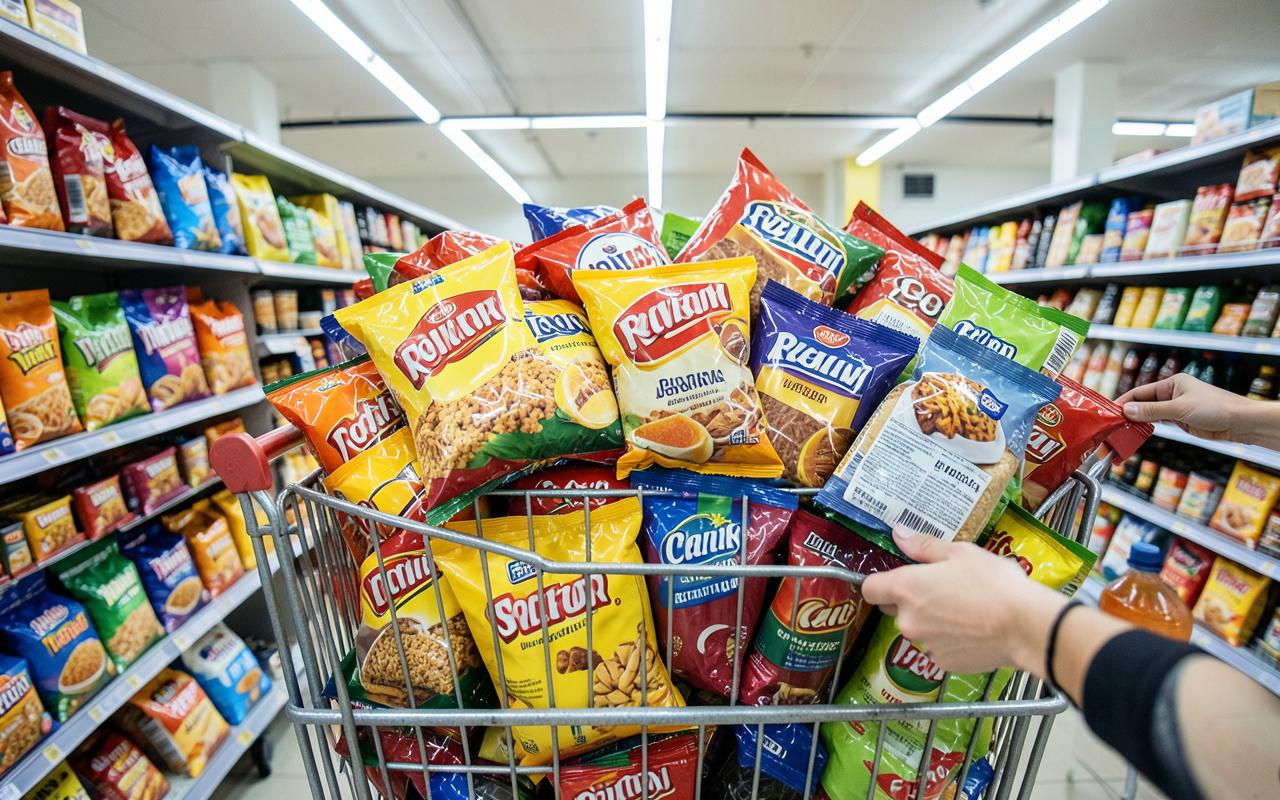
Pop into any supermarket in Britain and you will be surrounded by it: bread that lasts a fortnight, yoghurts the colour of a sunset, cereal bars promising six vitamins and a smiley face. Welcome to the world of ultra-processed food, or UPF, the term that has gone from academic jargon to dinner-table row in the space of a couple of years.
The panic started, as these things often do, with a scary statistic. Researchers estimate that UPF now makes up more than half of the calories eaten by the average adult in the UK, and a jaw-dropping two thirds for some teenagers. That is a lot of plastic-wrapped, ready-to-eat, engineered food finding its way onto our plates without us really noticing.
"People hear 'ultra-processed' and picture a chicken nugget factory," says Dr Miriam OKafor, a nutrition scientist at a fictional university institute who studies food classification systems. "But the category is much bigger and much blurrier than that. Shop-bought wholemeal bread, some baked beans, even certain plant milks can technically count as UPF."
That blurriness is exactly why the debate has become so heated. Critics say lumping mass-produced wholemeal bread in with a fizzy drink is nutritional nonsense, obscuring genuinely useful advice with moral panic. Supporters of the classification say that is missing the point entirely: it is not really about a single food, but about a dietary pattern dominated by industrially formulated products.
Sandra Blake, 44, a primary school teacher from Preston, says she went from confused to converted after a health scare. "My cholesterol came back high and my GP mentioned UPF almost in passing," she says. "I looked at my kitchen cupboard and honestly, ninety per cent of it had five colours and eleven ingredients I couldn't pronounce. It was a wake-up call."
Sandra swapped her flavoured instant porridge sachets for plain oats with fruit, ditched the pre-marinaded chicken for a simple homemade marinade, and started making her own soup instead of buying tins loaded with stabilisers. "It's not about perfection," she insists. "I still buy fish fingers for the kids on a Friday. But the balance has shifted."
The science behind the UPF concern is genuinely compelling, even if the headlines oversimplify it. Randomised trials have shown that people fed a diet high in ultra-processed foods, matched for calories, sugar, fat and fibre with a minimally processed diet, ate more and gained more weight on the UPF version. Something about the texture, packaging and formulation of these foods appears to override our natural fullness signals.
More from Nutrition
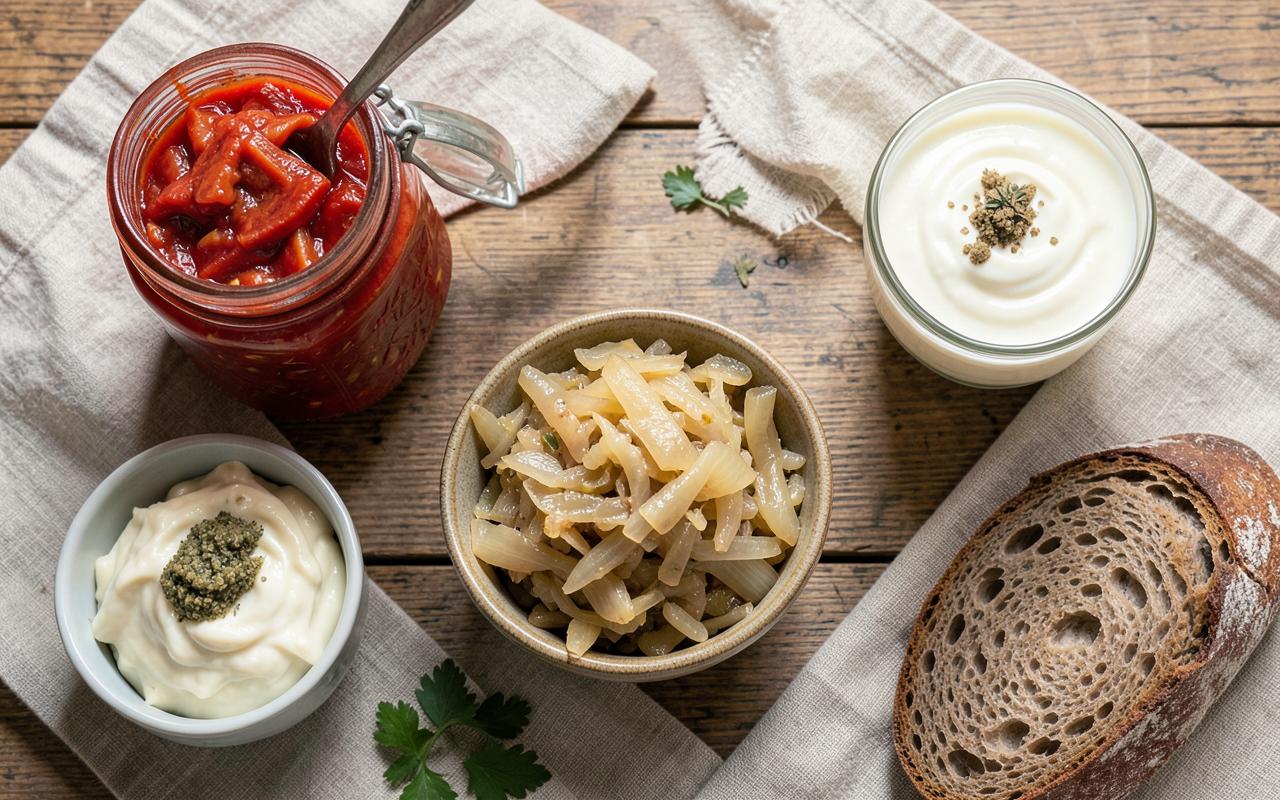
Kimchi, Kefir and Kraut: Is Gut Health the Real Deal?
Fermented foods have gone from niche health shop items to supermarket staples. We ask whether the gut health hype is backed by science.
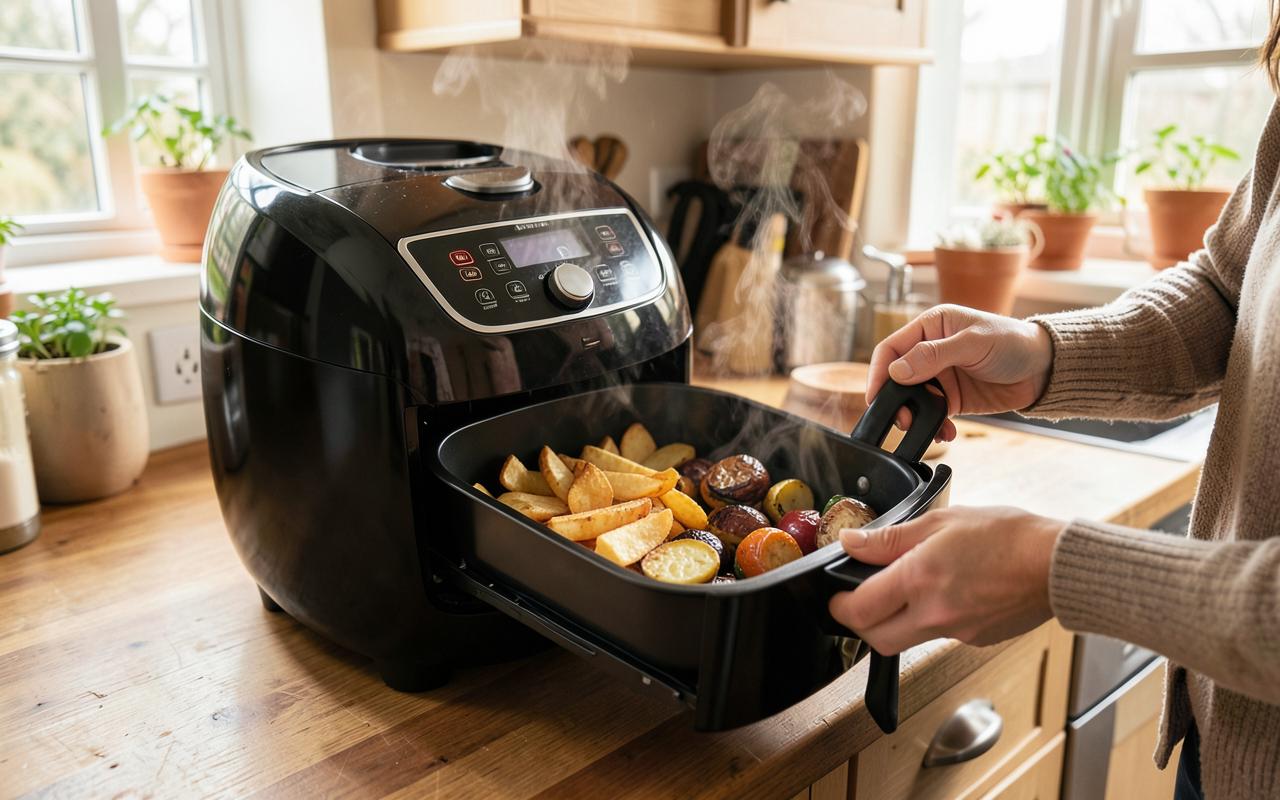
Air Fryer Nation: The Gadget That Changed How Britain Eats
It promised crispy chips with less oil and lower bills. We look at whether the air fryer revolution is actually good for our health.
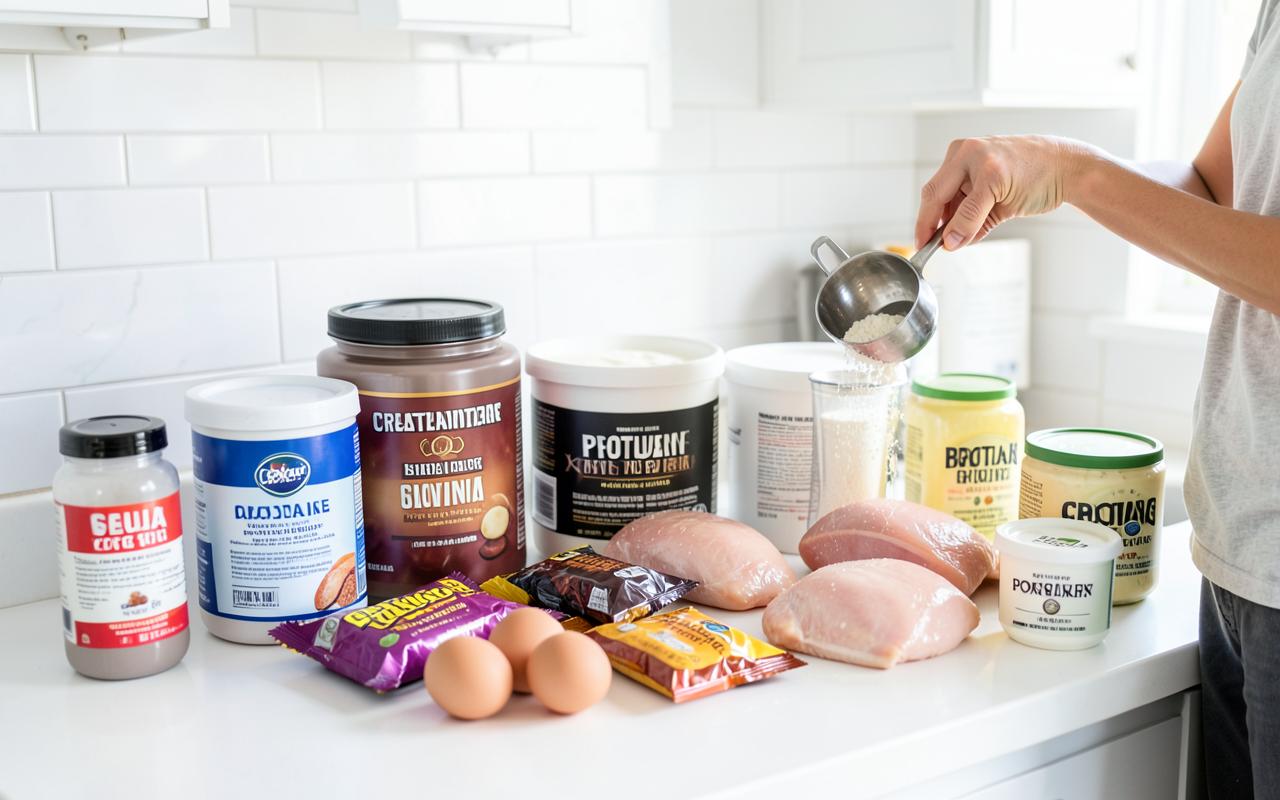
Protein Mania: Are We Overdoing It?
From protein water to protein crisps, Britain has gone macro-mad. But do most of us actually need all this extra protein?
Elsewhere on Iciclraddo

Desk Bound and Doubled Over: Britain's Back Pain Epidemic
Home working has quietly wrecked the nation's spines. Physiotherapists explain why, and share the simple daily habits that can turn things around.

Bath on a Budget: How to Do the Georgian Gem for Under £150
Roman baths, honey-coloured crescents and Jane Austen tea rooms don't have to cost a fortune. Here's a full weekend in Bath for under £150 a head.
Back in the Box Room: Britain's Boomerang Generation Speaks Out
Sky-high rents and stalled wages mean more adults than ever are moving back in with mum and dad. We meet the families making it work, and the ones struggling.

How to Actually Get a GP Appointment: The Insider Tricks That Work
Sick of endless hold music and fully booked surgeries? A GP and a practice manager reveal the tactics that really speed up access to care.